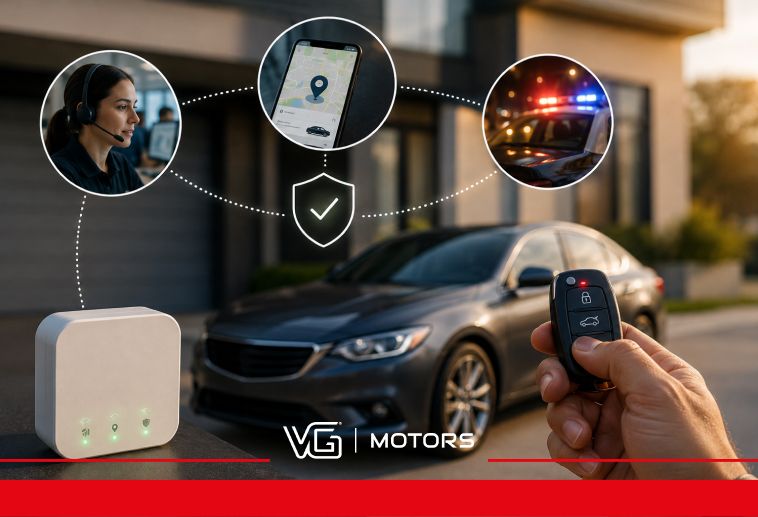
Quick Answer
Purchasing a vehicle equipped with LoJack is only the beginning of your ownership journey. Over time, life changes such as moving, selling your vehicle, renewing services or changing insurance may affect how you manage your vehicle recovery system.
Understanding those moments helps you get the most value throughout ownership.
For many vehicle owners, the conversation about LoJack ends the day they leave the dealership.
The paperwork is signed.
The vehicle is delivered.
The keys are in your hand.
It feels like every important decision has already been made.
In reality, a different journey is just beginning.
Unlike accessories that rarely require another thought after installation, a vehicle recovery system remains part of your ownership experience for as long as you own the vehicle, and sometimes even beyond that.
You may move to another state.
You may refinance your vehicle.
You might switch insurance companies.
Perhaps you’ll sell the car to a family member or trade it in for a new model.
Years after the purchase, questions begin to appear that almost nobody discusses during the buying process.
- “Does LoJack stay with the car?”
- “Can I transfer it?”
- “Do I need to renew anything?”
- “What happens if I buy another vehicle?”
Those questions are completely normal. They simply happen later in the ownership journey.
This guide explores what living with a vehicle recovery system looks like after the excitement of purchasing a vehicle has passed.
Buying Is the Beginning, Not the Finish
Many people think of purchasing LoJack as a single transaction.
Choose the option.
Sign the paperwork.
Drive away.
Done.
That perspective makes sense during the excitement of buying a vehicle. But it doesn’t reflect how ownership actually works.
Owning a vehicle is not one event.
It’s a series of decisions made over months and years.
Your circumstances change.
Your vehicle changes.
Sometimes your priorities change as well.
A recovery system becomes one small part of that larger ownership experience.
Understanding how it fits into that journey helps prevent confusion later, especially when unexpected situations arise.
Rather than asking: “What happens after I buy LoJack?”
A better question is: “What happens as my ownership changes?”
That question guides the rest of this article.
The Ownership Journey
Instead of thinking about LoJack as something you purchase once, consider it part of your vehicle’s ownership lifecycle.
We call this The Ownership Journey.

Each stage raises different questions.
Most owners never ask all of them at once.
Instead, they appear gradually over the years.
Someone selling a vehicle has very different concerns than someone who just bought it.
A family moving from California to Texas may wonder whether anything changes after relocating.
Someone purchasing a second vehicle may ask whether an existing recovery service can be transferred.
The questions evolve because ownership evolves.
Ownership Creates New Questions
Most questions about LoJack aren’t asked during the purchase.
They’re asked months or even years later, when life changes and vehicle ownership enters a new stage.
Understanding those moments before they happen makes future decisions much easier.
Living With a Vehicle Recovery System
One of the biggest differences between a vehicle recovery system and many other vehicle accessories is that it remains relevant long after installation.
You don’t interact with it every day in the same way you use your vehicle’s navigation system or entertainment features.
Instead, it becomes part of your vehicle’s long-term ownership profile.
For most owners, that means very little changes during everyday driving.
- Your routine remains the same.
- You commute.
- Travel.
- Run errands.
- Park at work.
- Leave your vehicle at airports.
- Take road trips.
The recovery system quietly remains part of the vehicle should it ever become necessary.
Because there is often little day-to-day interaction, it’s easy to forget that ownership circumstances can eventually affect questions about the system itself.
That’s why many owners begin researching LoJack again years after they originally purchased it.
The product hasn’t changed.
Their life has.
Life Changes That May Affect Your Vehicle Recovery System
Most ownership questions arise because something else changes first.
Not because the recovery system changes.
Consider a few common examples.
You purchase a new vehicle and wonder what happens to the old one.
You relocate from Florida to Arizona for work.
Your insurance policy changes.
A family member becomes the primary driver.
Your vehicle reaches the end of a lease.
You’re preparing to trade it in.
None of these situations automatically require the same response.
But they often lead owners to ask new questions about how their recovery system fits into the next stage of ownership.
Understanding those situations ahead of time helps avoid unnecessary uncertainty when they eventually occur.

Life Events That May Affect Your LoJack
Owning a vehicle is rarely a straight line.
Over the years, your circumstances change.
- You move.
- You buy another vehicle.
- Your insurance changes.
- Your family grows.
- You may sell your current car or trade it in for a newer model.
None of these situations necessarily change how your vehicle recovery system works.
However, they often change the questions you need to ask.
Rather than thinking about LoJack as a product purchased once, it’s more helpful to think about it as part of your vehicle’s ownership history.
As that history evolves, new decisions naturally appear.
When You Move to Another State
Relocating is one of the most common life changes for vehicle owners.
Imagine a family moving from California to Texas after accepting a new job.
Or someone relocating from Illinois to Florida after retirement.
While your vehicle remains the same, other aspects of ownership may change.
Examples include:
- insurance requirements;
- registration procedures;
- local theft trends;
- dealership relationships;
- service providers.
Although a move doesn’t automatically require changes to your vehicle recovery system, it’s often a good opportunity to review your vehicle records, insurance information and any services associated with your ownership.
When You Buy Another Vehicle
Many owners eventually replace one vehicle with another.
Some trade in their current car.
Others purchase a second vehicle for another family member.
At that point, new questions naturally arise.
- Does the recovery system stay with the original vehicle?
- Can it be transferred?
- Should the new vehicle have its own recovery system?
- Does anything need to be updated?
These questions depend on the specific product, ownership situation and service agreement.
Can You Transfer LoJack to Another Vehicle or Owner?
When You Sell or Trade In Your Vehicle
Selling a vehicle introduces another important ownership milestone.
Whether you’re selling privately, trading the vehicle at a dealership or transferring ownership within your family, it’s worth understanding how any installed recovery services relate to the vehicle and its future owner.
Many owners don’t think about these questions until the sale is already underway.
Reviewing them beforehand can help avoid unnecessary confusion during the transaction.
When Your Insurance Changes
Changing insurance companies is another event that prompts many owners to revisit questions about vehicle recovery.
A new insurer may ask different questions during underwriting.
Some companies recognize qualifying theft recovery technologies.
Others evaluate theft-related risk differently.
Even if nothing changes about your vehicle, changing insurers can be a useful time to review how your recovery system fits into your overall vehicle protection strategy.
When Someone Else Becomes the Primary Driver
Ownership doesn’t always change when daily use does.
For example:
- a teenager begins driving the family vehicle;
- an adult child takes the vehicle to college;
- a spouse becomes the primary driver;
- an aging parent transfers regular use to another family member.
Situations like these often raise practical questions about documentation, contact information and overall vehicle management.
They don’t necessarily require changes to the recovery system itself, but they highlight why ownership is an ongoing process rather than a one-time purchase.
Life Changes Create Ownership Questions
Most owners don’t begin researching LoJack because something happened to the system.
They begin researching because something changed in their lives.
The vehicle stays the same.
Ownership evolves.

Questions Owners Eventually Ask
Most vehicle owners don’t ask every question during the purchase process. Instead, they appear gradually as ownership continues.
Some of the most common include:
Can I transfer LoJack to another owner?
Whether a transfer is possible depends on the specific product and service agreement.
Understanding your options before selling the vehicle can simplify the ownership transition.
Can LoJack be removed from the vehicle?
Some owners consider removal when selling a vehicle, replacing equipment or changing ownership.
The appropriate approach depends on the specific installation and ownership circumstances.
What happens if I don’t renew my subscription?
LoJack is a one payment service, not a subscription-based services.
Can I reactivate LoJack later?
Some owners stop using a service temporarily before deciding they want protection again.
Whether reactivation is available depends on the product and service policies.
What if I buy another vehicle?
Buying another vehicle doesn’t automatically answer what happens to your current recovery system.
Understanding your available options before purchasing can make the transition much smoother.
Ownership Doesn’t End at Delivery
The day you drive away from the dealership is often treated as the end of the buying process.
In reality, it’s the beginning of ownership.
Every major milestone that follows—moving, selling, renewing, changing insurance or replacing your vehicle—creates new questions that deserve thoughtful answers.
Understanding those moments ahead of time allows owners to make informed decisions instead of searching for answers only after circumstances change.

Managing Your Vehicle Recovery System Over Time
One of the biggest misconceptions about owning a vehicle recovery system is believing there’s nothing left to think about after installation.
For long periods, that may actually feel true.
You drive your vehicle.
Go to work.
Take family trips.
Park at the airport before a vacation.
Run errands on weekends.
Months, or even years, can pass without you thinking about your recovery system at all. That’s perfectly normal.
In fact, for many owners, a vehicle recovery system becomes part of the background of everyday vehicle ownership.
The important point is not that you should constantly manage it.
It’s that you should know when your ownership situation changes enough to deserve another look.
Those moments are often predictable.
Preparing for them in advance can make future decisions much easier.
Your Annual Ownership Review
Many people perform routine maintenance on their vehicle every year.
- Oil changes.
- Brake inspections.
- Tire rotations.
- Registration renewals.
- Insurance reviews.
Adding a simple ownership review to that routine can help ensure that the information surrounding your vehicle remains current.
This isn’t about checking the technology every month. It’s about reviewing your ownership circumstances.
Ask yourself questions such as:
- Is my contact information still current?
- Has my insurance coverage changed?
- Is someone else now driving the vehicle most of the time?
- Am I planning to sell or trade the vehicle soon?
- Has anything changed that affects how I use this vehicle?
Most years, the answers may all be “no.”
That’s perfectly fine.
The review simply creates an opportunity to identify changes before they become important.
Ownership Checklist
Consider reviewing these items periodically during ownership.
✔ Registration information
✔ Insurance policy
✔ Primary driver
✔ Vehicle ownership plans
✔ Subscription status (if applicable)
✔ Purchase documentation
✔ Contact information
✔ Future trade-in or resale plans
The goal isn’t paperwork.
The goal is staying prepared for future ownership decisions.
Ownership Is Easier When Information Stays Current
Vehicle ownership changes gradually.
Keeping your records organized makes future events, such as selling the vehicle, changing insurance or transferring ownership, much simpler to manage.
Ownership Questions Often Start Before Major Decisions
One interesting pattern appears again and again.
Owners usually don’t begin researching LoJack because something happened to the system.
They begin researching because they’re preparing for another decision.
Someone considering a trade-in starts wondering whether the recovery system remains with the vehicle.
A family purchasing a second car begins asking whether their existing service can be transferred.
A driver switching insurance companies wonders whether anything needs to be updated.
The ownership question almost always follows another life event.
Recognizing this pattern helps explain why many ownership-related searches occur months or even years after the original purchase.
The recovery system hasn’t suddenly become more important.
The owner’s circumstances have changed.
Thinking Beyond Your Current Vehicle
Many vehicle owners naturally focus on the car they drive today. But ownership decisions often extend beyond a single vehicle.
Over time, you might:
- purchase another vehicle;
- add a vehicle to your household;
- sell your current car;
- lease instead of buying;
- pass the vehicle to another family member;
- downsize from multiple vehicles to one.
Each decision creates a new ownership chapter.
Instead of treating every change as an entirely new situation, it can be helpful to think about your vehicle recovery strategy as something that evolves alongside your transportation needs.
That perspective makes future decisions feel less reactive and more intentional.
Planning Ahead Reduces Future Uncertainty
Very few people enjoy making important decisions under pressure.
Planning ahead allows you to understand your options before you actually need them.
For example, if you already know you’re likely to replace your vehicle next year, learning how ownership transfers or subscriptions work today may save time later.
Similarly, reviewing documentation before selling a vehicle is usually easier than trying to locate paperwork after you’ve already accepted an offer.
The same principle applies throughout vehicle ownership.
Preparation doesn’t eliminate change.
It simply makes change easier to manage.
Ownership Is About More Than the Vehicle
A vehicle recovery system ultimately supports something much larger than the vehicle itself.
It supports continuity.
The ability to adapt as your circumstances evolve.
The confidence that comes from understanding your options before important decisions arise.
Ownership isn’t defined by the day you buy a vehicle.
It’s defined by everything that happens afterward.
That is why thinking about ownership as an ongoing journey, not a completed transaction, creates a much stronger foundation for every decision you make in the years ahead.
Bottom Line
Buying a vehicle equipped with LoJack may feel like the final step in the buying process.
In reality, it’s the beginning of a much longer ownership journey.
Most owners won’t think about their vehicle recovery system every day—and they shouldn’t have to.
But over the years, life naturally changes.
You may move to another state.
Switch insurance companies.
Buy another vehicle.
Sell your current one.
Or simply begin asking questions that never came up during the excitement of purchasing your car.
None of those moments necessarily mean something is wrong. They simply represent the normal evolution of vehicle ownership.
Understanding those milestones before they happen makes future decisions easier, more organized and far less stressful.
A vehicle recovery system isn’t just something you purchase.
It’s something you manage as part of owning your vehicle.
And like every other aspect of responsible vehicle ownership, understanding your options is often more valuable than making decisions under pressure.
The Ownership Journey
As a reminder, here’s the framework introduced throughout this guide.
Every owner moves through these stages differently.
Some questions appear within months.
Others may not arise for years.
The important thing is recognizing that ownership is an evolving process rather than a single transaction.
Frequently Asked Questions - Living With LoJack
Does LoJack stay with the vehicle after I buy it?
In many situations, the recovery system remains associated with the vehicle after purchase. However, ownership, service agreements and subscription terms may influence how the system is managed over time.
Should I review my LoJack information every year?
It’s a good idea to periodically review ownership-related information, especially after major life events such as moving, changing insurance companies or preparing to sell your vehicle.
What if I buy another vehicle?
Purchasing another vehicle often creates new questions about transfer options, subscriptions and whether the new vehicle should have its own recovery solution.
Does changing insurance affect my LoJack?
Changing insurance companies does not automatically change your recovery system, but it’s often a good opportunity to review your policy and ask whether your insurer recognizes qualifying vehicle recovery technologies.
What should I do before selling my vehicle?
Before selling or trading in your vehicle, review any recovery-related documentation, understand your available ownership options and clarify how the system is handled as part of the transaction.
Can I remove LoJack later?
Removal options depend on the specific installation and your ownership circumstances. If you’re considering selling your vehicle or making other ownership changes, it’s helpful to understand your available options before making a decision.


Leave a comment
This site is protected by hCaptcha and the hCaptcha Privacy Policy and Terms of Service apply.