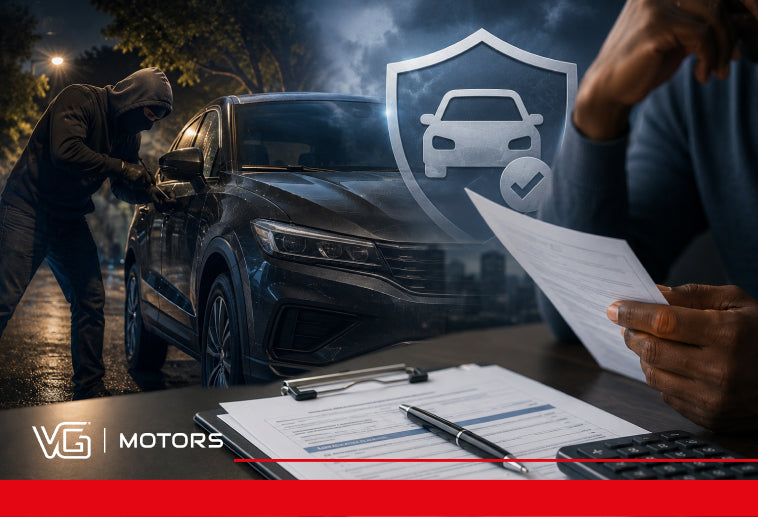
After a vehicle is stolen, two processes usually begin at the same time: the police investigation and the insurance claim. Depending on whether the vehicle is recovered and in what condition the claim may result in repairs, a total loss settlement or another outcome defined by your insurance policy and state regulations.
Having your vehicle stolen is stressful enough.
One of the first questions many owners ask is:
“What happens with my insurance now?”
The answer isn’t always straightforward because several parties become involved at the same time. Law enforcement investigates the theft, the insurance company opens a claim, and, if the vehicle is found, an inspection helps determine what happens next.
Understanding this process can make an already difficult situation feel much more manageable.
Step 1: Report the Theft Immediately
The first step is reporting the theft to the police.
This creates the official report that insurers typically require before moving forward with a claim.
As soon as possible, you should also notify your insurance company. Opening the claim early allows the insurer to begin gathering information while the police investigation is underway.
If your vehicle is equipped with a recovery system, this is also the time to notify the service provider so recovery efforts can begin as quickly as possible.
Step 2: The Insurance Company Opens a Claim
Once the theft is reported, the insurer starts evaluating the situation.
Although every company has its own procedures, they generally request information such as:
- the police report number;
- vehicle identification details;
- the date, time and location of the theft;
- contact information;
- financing or lienholder information, if applicable.
For example, if a vehicle is stolen in Houston, Texas, the insurer will typically coordinate its claim process while local law enforcement investigates the theft.
Those processes often happen simultaneously rather than one after the other.
Step 3: The Vehicle May—or May Not—Be Recovered
This is where every claim begins to follow a different path.
If the vehicle is recovered
The insurer usually waits for the vehicle to be inspected before determining the next steps.
Depending on its condition, the claim may involve:
- repairs;
- cleaning or replacement of damaged components;
- further investigation;
- or, in some cases, a total loss evaluation.
If the vehicle is not recovered
The claim continues according to the terms of your policy and applicable state regulations.
The timeline and final outcome may vary depending on the insurer and where the theft occurred.
For instance, a vehicle stolen in Los Angeles, California, may follow different procedural timelines than one stolen in Miami, Florida, because insurance practices and state requirements can differ.

Step 4: The Vehicle Is Inspected
Recovery doesn’t automatically mean the claim is over.
If the vehicle is found, it is generally inspected before any final insurance decision is made.
Inspectors may evaluate:
- collision damage;
- vandalism;
- missing parts;
- water or fire damage;
- evidence of mechanical or electrical issues caused during the theft.
The results of this inspection help determine whether the vehicle can be repaired or whether additional evaluations are necessary.
Step 5: The Insurance Company Determines the Outcome
After reviewing the inspection and policy details, the insurer determines how the claim will be resolved.
Possible outcomes include:
The vehicle is repaired
If repairs are appropriate under the policy, the insurer may authorize repairs at an approved repair facility.
The vehicle is declared a total loss
If the damage is significant or repair costs exceed applicable thresholds, the insurer may determine that the vehicle qualifies as a total loss, subject to state laws and policy terms.
Additional investigation is required
Some claims require more documentation or further inspection before a final decision can be made.
What Can Affect Your Claim?
Several factors may influence how a theft claim progresses.
These can include:
- your insurance coverage;
- whether the vehicle is recovered;
- the condition of the recovered vehicle;
- state regulations;
- financing or lienholder requirements;
- documentation provided during the claim.
Each claim is unique, which is why two similar thefts may not lead to identical outcomes.
What You Can Do to Help the Process
While much of the claim process is handled by insurers and investigators, there are practical steps owners can take.
- Report the theft as soon as possible.
- Keep copies of all documents and claim numbers.
- Respond promptly if additional information is requested.
- Maintain communication with your insurance company.
- Document any personal property that was inside the vehicle, if applicable.
Staying organized helps reduce unnecessary delays and makes it easier to follow the progress of your claim.
A vehicle theft claim is rarely a single event.
It is a process that begins when the theft is reported and continues until the claim is resolved.
Whether your vehicle is recovered in Phoenix, Arizona, remains missing in Chicago, Illinois, or is found with repairable damage in Orlando, Florida, the insurance company uses the available information, the inspection results and your policy terms to determine the appropriate outcome.
Knowing what happens at each stage helps you make informed decisions and reduces uncertainty during an already stressful experience.
FAQ - From Theft to Settlement: How Vehicle Theft Affects Your Insurance Claim
Does recovering my vehicle automatically close my insurance claim?
No. If the vehicle is recovered, the insurance company typically reviews its condition before determining how the claim will proceed.
Can a recovered vehicle still be declared a total loss?
Yes. Depending on the extent of the damage and applicable state regulations, a recovered vehicle may still qualify as a total loss.
What documents will my insurance company usually request?
Requirements vary, but insurers commonly request the police report, vehicle information, policy details and any additional documentation relevant to the claim.
Does every state follow the same insurance claim process?
The overall process is similar, but timelines, regulations and claim requirements can vary between states such as California, Texas, Florida and New York.
Will recovering my vehicle make the claim faster?
It can influence the process, but the final timeline depends on factors such as the vehicle’s condition, required inspections and your insurer’s procedures.




Leave a comment
This site is protected by hCaptcha and the hCaptcha Privacy Policy and Terms of Service apply.