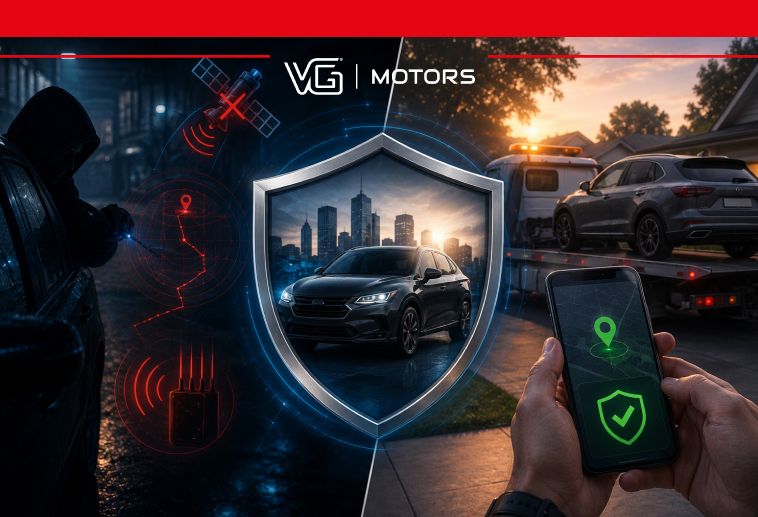
Most Drivers Don’t Think About Vehicle Theft Until It Happens
That’s usually when the math changes.
Before theft, a stolen vehicle recovery system can feel optional.
After theft, drivers suddenly start calculating:
- insurance deductibles;
- rental costs;
- missed work;
- transportation disruption;
- emotional stress;
- uncertainty.
And many realize something uncomfortable:
The real cost of vehicle theft is rarely just the car itself.
According to reporting from the Insurance Information Institute, vehicle theft claims and related insurance losses have continued increasing alongside rising vehicle values and organized theft activity in the United States.
Which explains why more drivers now search for:
- Is LoJack worth it?
- Does LoJack lower insurance?
- Best stolen vehicle recovery system
- GPS tracker vs LoJack
-
Vehicle anti theft device cost
Because modern vehicle protection is no longer only about tracking. It’s about getting life back to normal after theft happens.
So, What Does LoJack Actually Cost?
Pricing varies depending on:
- protection length;
- vehicle type;
- installation offers;
- package structure.
Modern LoJack plans for cars typically start around:
- a one-time payment model;
- no monthly subscription fees;
- multi-year protection options.
That distinction matters more than many drivers initially realize.
Because many inexpensive GPS trackers appear affordable upfront, until years of recurring subscription fees begin accumulating.
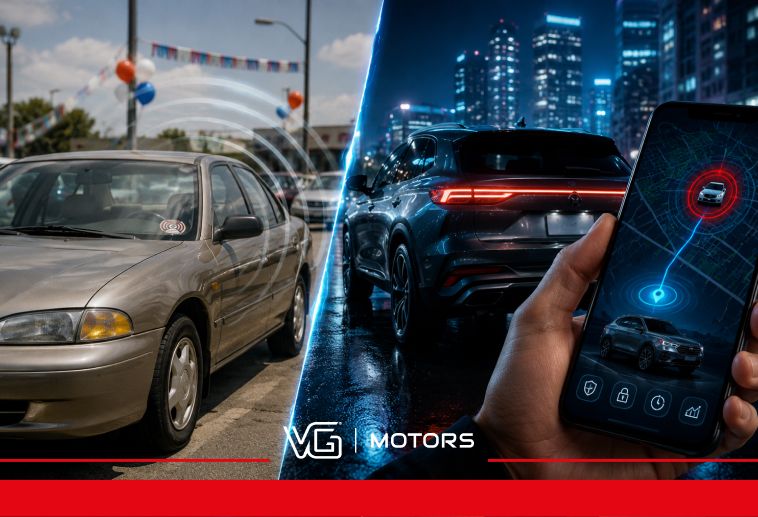
Basic GPS Tracker vs Recovery-Focused Protection

Why Cheap Vehicle Protection Can Become Expensive Later
This is where many drivers unintentionally make a false-economy decision.
A low-cost tracker may feel like savings initially.
But after a theft, delayed recovery, rental expenses, deductible costs, insurance complications, and work disruption can quickly outweigh the original savings.
According to insurance industry reporting, vehicle theft often creates indirect costs beyond the vehicle itself, including:
- deductible payments;
- temporary transportation expenses;
- rental replacement fees;
- lost time;
- scheduling disruption.
And theft recovery delays can increase those costs rapidly.
Especially when organized theft groups move vehicles quickly after theft.
Why Cheap GPS Trackers Feel “Good Enough”
At first, the logic sounds reasonable.
“Why spend more if I can buy a cheaper tracker online?”
And honestly: For basic visibility, many inexpensive trackers work perfectly fine.
That’s why the global vehicle tracking market expanded rapidly over the last decade as app-based monitoring became more accessible to everyday drivers.
Drivers became comfortable with:
- live maps;
- smartphone alerts;
- connected apps;
- instant visibility.
Open the app.
See the car.
Feel protected.
The problem begins when visibility is confused with theft recovery capability.
Because modern vehicle theft became much more sophisticated.
Organized Vehicle Theft Changed the Conversation
Modern theft operations increasingly involve:
- GPS signal jamming;
- rapid relocation;
- tracker discovery;
- cooling lots;
- VIN switching;
- dismantling operations;
- overseas export pipelines.
According to vehicle theft discussions referenced by the National Insurance Crime Bureau (NICB) and the National Highway Traffic Safety Administration (NHTSA), organized theft groups increasingly prioritize speed after theft occurs.
Some stolen vehicles disappear into organized theft channels within hours.
Which changes the importance of:
- response time;
- theft response workflows;
- post-theft coordination;
- retrieval capability.

What Drivers Are Actually Paying For
Most drivers initially compare vehicle recovery systems the same way they compare electronics:
- features;
- apps;
- subscriptions;
- price.
But after a theft, the conversation changes completely.
Drivers stop asking:
“Can I see the car?”
And start asking:
“How fast can I get my life back to normal?”
That emotional shift changes how people evaluate vehicle protection.
Because modern recovery-first systems are not just selling:
GPS visibility.
They are providing:
- theft response support;
- recovery workflows;
- retrieval coordination;
- post-theft confidence;
- faster recovery potential.
That’s a very different value proposition psychologically.
Why Recovery Speed Matters So Much
Many drivers focus entirely on whether recovery is possible.
But recovery speed matters too.
A vehicle recovered quickly may avoid:
- major damage;
- dismantling;
- fraudulent resale;
- export;
- severe insurance complications.
Modern LoJack systems commonly emphasize:
- average recovery time around 26 minutes;
- recovery-first architecture;
- owner-triggered activation;
- encrypted GPS tracking.
- Because in real-world theft situations, time matters enormously.
Especially when organized theft groups move quickly.
A Real-World Theft Scenario
Imagine this:
A driver parks at an airport before a four-day trip.
The vehicle is stolen several hours later. But the owner does not discover the theft until returning home days afterward.
At that point:
- the vehicle may already be relocated;
- hidden in a cooling lot;
- dismantled for parts;
- prepared for export;
- or moved across multiple states.
And suddenly:
“seeing the vehicle on an app” becomes much less useful than:
Having rapid theft response and recovery support already active.
This is exactly why more drivers now prioritize recovery-focused vehicle protection instead of basic tracking alone.
Does LoJack Actually Work?
This is one of the most important questions drivers ask.
And honestly, they should ask it.
Because vehicle security should be evaluated by real-world outcomes.
Modern LoJack systems use:
- encrypted GPS technology;
- smartphone-controlled theft activation;
- real-time tracking;
- recovery-oriented workflows;
- rapid location sharing.
The goal is not simply:
“track the vehicle.”
The goal is: Recover the vehicle quickly after theft occurs.
That distinction matters operationally and emotionally.
Because theft situations are chaotic. And drivers rarely care about technology terminology in those moments.
They care about results.
Does LoJack Lower Insurance?
Insurance discounts vary depending on:
- insurance provider;
- state;
- policy type;
- vehicle classification.
Some insurance companies may recognize anti theft or recovery-focused systems when evaluating vehicle risk.
Drivers should always ask their insurer directly:
- whether discounts apply;
- which systems qualify;
- and how vehicle recovery technology affects premiums.
Even when discounts are modest, many drivers still evaluate recovery systems based on:
- disruption reduction;
- theft response confidence;
- post-theft peace of mind.
Is LoJack Worth It Compared to a Cheap GPS Tracker?
That depends entirely on what the driver values most.
If the goal is:
- basic monitoring;
- route visibility;
- fleet observation;
- app-based tracking;
A standard GPS tracker may work perfectly well.
But if the priority is:
- stolen vehicle retrieval;
- recovery-first protection;
- rapid theft response;
- minimizing disruption after theft;
Drivers should evaluate systems specifically designed around post-theft recovery workflows.
Because modern theft increasingly exposes the difference between:
Tracking visibility and actual recovery capability.
Why More Drivers Are Thinking “Recovery-First”
Vehicle theft changed dramatically over the last decade.
Modern theft groups increasingly understand:
- keyless entry vulnerabilities;
- tracking technology;
- response delays;
- aftermarket tracker placement.
And drivers are adapting too.
More vehicle owners now realize:
vehicle security is no longer only about prevention.
It’s also about:
- response speed;
- recovery support;
- post-theft control;
- retrieval probability;
- reducing chaos after theft.
That’s why recovery-focused protection continues growing across the United States.

So… Is LoJack Worth It?
Yes, for sure!
For many drivers, the answer becomes clearer after understanding one thing:
Vehicle theft is no longer rare.
And modern theft moves extremely fast.
So the real question often stops being:
“Is LoJack expensive?”
And becomes:
“What happens if my vehicle disappears tomorrow?”
Because after a theft happens, drivers rarely wish they had less protection.
They wish recovery had started sooner.
Protect your vehicle before it becomes a statistic.
Is LoJack Worth It? — FAQ
How much does LoJack cost?
Modern LoJack plans typically use a one-time payment structure, with pricing varying depending on coverage length and package options.
Does LoJack require monthly fees?
Modern LoJack systems are commonly structured without recurring monthly subscription fees.
Does LoJack lower insurance premiums?
Some insurers may recognize vehicle recovery systems or anti theft technology, but discounts vary depending on provider and policy.
Is LoJack better than a cheap GPS tracker?
GPS trackers mainly provide location visibility.
Recovery-focused systems are specifically designed around stolen vehicle retrieval and rapid theft response.
Why does recovery speed matter after theft?
Faster retrieval may reduce:
- damage severity;
- insurance complications;
- rental expenses;
- transportation disruption;
- and dismantling risk.
What happens after a vehicle is stolen?
Stolen vehicles may be:
- relocated rapidly;
- hidden temporarily;
- dismantled for parts;
- exported overseas;
- or involved in VIN fraud operations.
Is vehicle recovery more important than tracking?
Modern theft trends increasingly show that post-theft recovery capability and response speed matter significantly once theft occurs.



Leave a comment
This site is protected by hCaptcha and the hCaptcha Privacy Policy and Terms of Service apply.