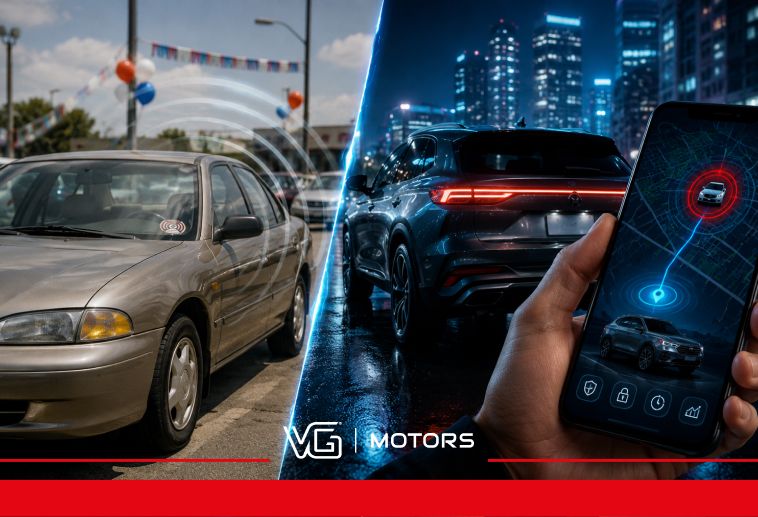
For years, LoJack became almost synonymous with stolen vehicle recovery in the United States.
Many drivers still remember:
- dealership window stickers;
- radio-based recovery stories;
- police recovery narratives from the early 2000s;
- commercials showing stolen vehicles being tracked down.
Back then, LoJack felt futuristic.
But vehicle theft evolved.
And recovery technology evolved with it.
Today, many drivers searching:
- “Does LoJack still work?”
- “Is LoJack outdated?”
- “Does LoJack still exist?”
- “Is LoJack better than a GPS tracker?”
These are often comparing two completely different generations of technology.
And honestly:
That confusion makes sense.
Because modern LoJack is very different from the original version many people still remember.
Quick Answer: Does LoJack Still Work?
Yes. Modern LoJack systems still work, but the technology changed significantly over the years.
Today’s systems primarily use:
- encrypted GPS technology;
- smartphone-connected tracking;
- app-based monitoring;
- recovery-focused workflows.
Modern LoJack is no longer only the old radio-frequency recovery system many drivers remember from decades ago.
And that distinction matters.
What Changed in LoJack Over the Years?
The biggest misunderstanding around LoJack is historical.
Many people still associate the brand with:
- VHF radio transmitters;
- police recovery antennas;
- older dealership-installed recovery systems.
And for years, that was accurate.
The original LoJack system became widely known for using radio-frequency technology to help law enforcement locate stolen vehicles.
At the time, it was considered revolutionary. But the automotive industry changed dramatically after:
- connected vehicles emerged;
- GPS tracking became mainstream;
- smartphones changed driver expectations;
- app-based monitoring became normal.
Vehicle theft evolved too.
Organized theft groups increasingly adapted to:
- electronic theft methods;
- keyless entry vulnerabilities;
- modern tracking technology.
Which pushed vehicle recovery systems to evolve beyond older radio-only architectures.
In recent years, modern LoJack systems transitioned heavily toward:
- encrypted GPS recovery;
- real-time app visibility;
- connected monitoring;
- faster recovery workflows.
That’s why online discussions about LoJack often sound contradictory.
Some people are describing the old LoJack.
Others are talking about the modern version.
LoJack Old vs LoJack Today

Why Do So Many People Think LoJack Disappeared?
Because internet memory tends to move slower than technology.
A surprising number of drivers still discover LoJack through:
- old YouTube videos;
- outdated forum discussions;
- Reddit threads from years ago;
- older dealership conversations.
And many of those conversations reference:
- classic RF systems;
- police helicopter recovery stories;
- discontinued radio infrastructure in some regions.
That created a strange online perception:
People started confusing changes in technology with the idea that the brand itself disappeared.
A common question still appears online:
“Is LoJack even still a thing?”
The short answer is:
Yes.
But the system changed significantly over time.
And because modern GPS-based vehicle recovery looks very different from the original RF version, many drivers assume the original system simply vanished completely.
In reality, the technology evolved alongside modern connected vehicles.
Why Factory Vehicle Apps Don’t Always Replace Recovery Systems
Many modern vehicles already include:
- connected apps;
- remote lock features;
- vehicle location tools;
- smartphone integration.
So naturally, many drivers ask:
“Why would I need additional recovery protection?”
And honestly, that’s a fair question.
The important distinction is this:
Factory-connected apps were primarily designed for:
- convenience;
- remote access;
- connected vehicle experiences.
Recovery-focused systems are specifically designed around stolen vehicle recovery scenarios.
That difference becomes much more important during real theft situations.
Because after theft occurs, priorities change quickly.
Drivers stop thinking about:
- remote start;
- climate control;
- convenience features.
And start thinking about:
- recovery speed;
- active theft response;
- post-theft support;
- getting the vehicle back quickly.
What Are the Advantages of LoJack Today?
Modern LoJack systems are increasingly built around one core idea:
Reducing the gap between theft detection and active response.
Because once a vehicle disappears, delays become expensive very quickly.
That’s why modern recovery-focused systems emphasize:
- real-time tracking visibility;
- rapid theft response;
- connected app monitoring;
- recovery support workflows.
Not simply:
“seeing the car on a map.”
But improving what happens after theft occurs.
Recovery-Focused Protection
Many GPS trackers primarily focus on:
- route visibility;
- fleet monitoring;
- trip history;
- general tracking.
Modern LoJack systems place much heavier emphasis on:
- stolen vehicle retrieval;
- theft response coordination;
- post-theft recovery support.
That difference becomes extremely important operationally during real theft situations.
Real-Time Smartphone Access
Modern LoJack systems allow drivers to:
- monitor location;
- activate theft response;
- access connected tracking through an app;
- share recovery-related information quickly.
Compared to older RF-only systems, the experience feels dramatically more modern and interactive.
No Monthly Subscription Structure
Many modern LoJack plans commonly use:
- one-time payment structures;
- multi-year protection periods;
- no recurring subscription fees.
Compared to many GPS tracking platforms that require ongoing monthly payments, this changes long-term ownership costs significantly.
Why Recovery Speed Matters More Today
According to theft trend discussions referenced by the National Insurance Crime Bureau (NICB), organized theft operations increasingly prioritize:
- rapid movement;
- quick relocation;
- dismantling operations;
- export channels;
- electronic theft methods.
That means recovery timing matters more than ever.
Because once a stolen vehicle enters organized theft pipelines, retrieval becomes much more complicated.
Modern recovery systems increasingly focus on shortening the gap between:
theft detection
and
active response.
And that operational difference matters enormously after theft occurs.

What Are the Limitations of LoJack?
No vehicle protection system is perfect.And honest comparisons matter.
Modern LoJack systems still depend on factors such as:
- GPS signal availability;
- response timing;
- theft conditions;
- user activation speed;
- recovery circumstances.
Some drivers may also prefer:
- simpler GPS tracking tools;
- factory-connected vehicle apps;
- low-cost monitoring solutions.
And in lower-risk situations, some vehicle owners may reasonably decide they do not need dedicated recovery-focused protection.
That’s a completely valid decision too.
Because vehicle security depends heavily on:
- location;
- driving patterns;
- theft exposure;
- vehicle type;
- personal priorities.
Is LoJack Better Than a Regular GPS Tracker?
That depends entirely on the driver’s goal.
If the priority is:
- route visibility;
- basic tracking;
- fleet management;
- app-based monitoring;
A standard GPS tracker may work perfectly well.
But if the concern is:
- stolen vehicle recovery;
- post-theft response;
- reducing recovery delays;
- minimizing disruption after theft;
LoJack systems provide a very different approach.
The key difference is philosophical.
Most GPS trackers focus primarily on visibility. LoJack focuses on what happens after the theft occurs.
Quick Comparison: LoJack vs Basic GPS Tracker

When Does LoJack Make the Most Sense?
Modern LoJack systems often make the most sense for drivers who:
- park in major cities;
- travel frequently;
- use airport parking regularly;
- own high-demand vehicles;
- worry about organized theft;
- want recovery-focused protection instead of simple monitoring.
It may also appeal to drivers who:
- dislike recurring subscriptions;
- want longer-term protection;
- prefer dedicated recovery systems over basic GPS visibility alone.
When Might LoJack NOT Make Sense?
Some drivers may reasonably decide simpler protection is enough.
For example:
- low-risk driving environments;
- garage-kept vehicles;
- secondary cars rarely used;
- drivers primarily wanting trip visibility instead of recovery support.
And honestly, that kind of editorial honesty matters.
Because not every driver needs the same protection strategy.
So… Is LoJack Worth It in 2026?
For many drivers, yes.
Not because modern LoJack is identical to the original system. But because vehicle theft changed dramatically.
And modern recovery technology evolved with it.
Today, the real conversation is no longer:
“Can I track my vehicle?”
It’s:
“What happens after the theft occurs?”
Because after a car disappears, drivers rarely care about technology buzzwords.
They care about:
- reducing disruption;
- shortening recovery time;
- getting life back to normal faster;
- improving the chances of retrieval.
- And that’s exactly why recovery-focused systems still matter in 2026.
LoJack in 2026 — FAQ
Does LoJack still exist?
Yes. Modern LoJack systems still exist, but the technology evolved significantly from the original radio-frequency systems many drivers remember.
Does LoJack still use radio signals?
Modern LoJack systems primarily use encrypted GPS technology and connected tracking instead of relying only on classic VHF radio recovery.
Is LoJack outdated?
No. Modern LoJack systems evolved alongside connected vehicle technology and now focus heavily on GPS-based vehicle recovery workflows.
Is LoJack a GPS tracker?
Modern LoJack includes GPS technology, but the primary focus is stolen vehicle recovery rather than simple vehicle monitoring.
Why do people think LoJack disappeared?
Many drivers still associate LoJack with older RF technology and outdated online discussions, creating confusion about how modern systems work today.
Is LoJack better than a regular GPS tracker?
That depends on the goal.
GPS trackers mainly focus on visibility, while LoJack emphasizes post-theft recovery support and retrieval workflows.
Do factory vehicle apps replace LoJack?
Not necessarily. Factory apps are primarily designed for convenience features, while recovery-focused systems are designed specifically around vehicle theft scenarios.




Leave a comment
This site is protected by hCaptcha and the hCaptcha Privacy Policy and Terms of Service apply.