Quick Answer
The first 15 minutes after discovering your vehicle is missing should focus on confirming the theft, contacting law enforcement and notifying any recovery or insurance services available to you. Acting quickly doesn’t guarantee recovery, but it helps ensure the recovery process begins with the most accurate and timely information possible.
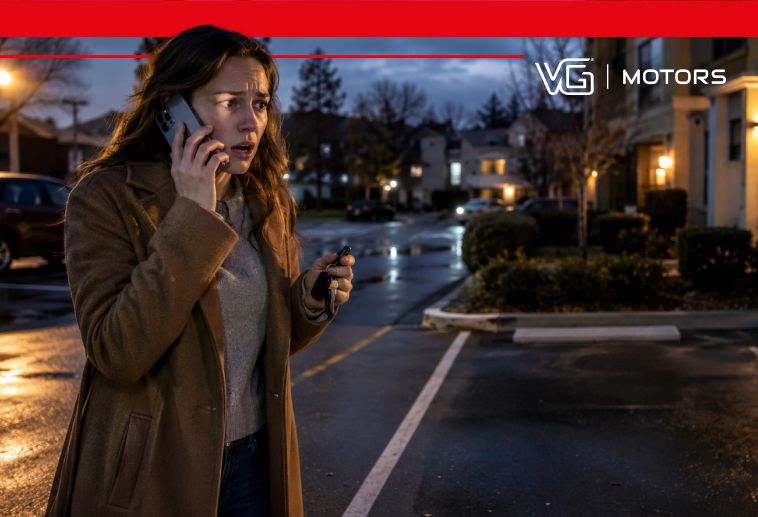
Few situations create more confusion than walking back to where you parked your vehicle and finding an empty space.
Your first thought usually isn’t: “Someone stole my car.”
Instead, you start questioning yourself:
- “Did I park somewhere else?”
- “Could it have been towed?”
- “Did someone else borrow it?”
Those first few minutes matter because every decision you make afterward depends on understanding what actually happened.
The goal isn’t to panic.
The goal is to start the recovery process correctly.
The Recovery Clock
One of the biggest mistakes people make is assuming the recovery process starts after they call the police.
It doesn’t.
It starts the moment you realize your vehicle is missing.
We call this The Recovery Clock.
Every minute spent confirming what happened, gathering accurate information and notifying the right people helps establish the foundation for everything that follows.
That doesn’t mean you should rush through the process.
It means you should use those first minutes wisely.
Minute 1–5: Confirm the Vehicle Is Actually Stolen
Before reporting a theft, make sure there isn’t another explanation.
Take a moment to verify:
- Did you park on another level or another street?
- Was the vehicle legally towed?
- Could a family member or authorized driver have moved it?
- Is there any repossession notice if the vehicle is financed?
- Once you’ve ruled out those possibilities, begin gathering the information you’ll need.
Have ready:
- license plate number;
- make and model;
- vehicle color;
- Vehicle Identification Number (VIN), if available;
- last known location;
- approximate time the vehicle was last seen.
The more accurate this information is, the easier it will be to communicate with law enforcement and other organizations.
Don’t Spend 30 Minutes Looking for the Car
A brief verification is helpful.
Driving around the neighborhood for an extended period hoping to find the vehicle usually delays the reporting process.
Once you’ve confirmed the vehicle is missing, it’s generally better to begin documenting the theft than continuing to search on your own.

Minute 5–10: Contact Law Enforcement
Once you’ve confirmed the vehicle has likely been stolen, your next priority is reporting it to the appropriate law enforcement agency.
When filing the report, you’ll typically be asked for information such as:
- your contact information;
- vehicle description;
- license plate number;
- VIN, if available;
- where the vehicle was last seen;
- approximately when it disappeared;
- any distinguishing characteristics.
Providing complete and accurate information helps establish the official theft report that supports the rest of the recovery process.
Remember that the police report isn’t simply paperwork.
It becomes the reference point for insurance claims, law enforcement coordination and any recovery efforts that may follow.
Have This Information Ready
Keeping these details accessible can save valuable time during a stressful situation.
✔ Vehicle Identification Number (VIN)
✔ License plate number
✔ Year, make and model
✔ Vehicle color
✔ Last known location
✔ Approximate time last seen
✔ Any installed vehicle recovery system
✔ Police report number (once issued)

Minute 10–15: Notify Everyone Who Needs to Know
Once the theft has been officially reported, it’s time to notify the organizations that may become involved in the recovery process.
Depending on your situation, this may include:
Your Vehicle Recovery Provider
If your vehicle is equipped with LoJack or another vehicle recovery system, notify the provider according to their reporting procedures.
Providing the police report information helps the recovery process move forward.
Stolen Car: How Does LoJack Help Recover Your Vehicle?
Your Insurance Company
Report the theft as soon as practical.
Your insurer will explain the next steps, open a claim if appropriate and advise you on any documentation they require.
Your Lender
If the vehicle is financed or leased, notify the lender that the vehicle has been reported stolen.
This helps keep them informed if the claim process continues over several days or weeks.
Fleet Manager or Employer
If the vehicle belongs to your employer or is part of a commercial fleet, notify the appropriate fleet manager immediately so internal reporting procedures can begin.
Emergency Checklist
Use this checklist during the first 15 minutes after confirming your vehicle is missing.
☐ Confirm the vehicle wasn’t moved or towed.
☐ Gather your vehicle information.
☐ Contact local law enforcement.
☐ Obtain or record the police report number.
☐ Notify your vehicle recovery provider.
☐ Contact your insurance company.
☐ Notify your lender if the vehicle is financed.
☐ Notify your fleet manager if applicable.
What Not to Do
The stress of a vehicle theft can make it tempting to act quickly without a plan.
Try to avoid these common mistakes.
- Spending too much time searching on your own.
- Assuming someone else already reported the theft.
- Waiting several hours before contacting law enforcement.
- Attempting to recover the vehicle yourself if location information becomes available.
- Posting sensitive vehicle details on social media before filing a police report.
The safest approach is to let trained professionals coordinate the recovery process.
Bottom Line
The first 15 minutes after discovering your vehicle is missing won’t determine every aspect of the recovery process.
But they often determine how effectively that process begins.
- Confirm the theft.
- Report it promptly.
- Gather accurate information.
- Notify the organizations that need to know.
Those simple actions create the strongest possible foundation for everything that happens next.
Once those first steps are complete, the recovery process moves beyond the initial emergency and into coordination between vehicle owners, recovery specialists, insurance companies and law enforcement.
Learn what happens next: Stolen Car: How Does LoJack Help Recover Your Vehicle?
Frequently Asked Questions - What Should You Do in the First 15 Minutes After Your Car Is Stolen?
Should I call the police before my insurance company?
In most situations, yes.
An official police report is typically one of the first pieces of information your insurance company will request.
Should I activate LoJack before calling the police?
Follow the reporting procedures provided by your recovery service.
In general, filing a police report promptly helps establish the official theft record needed for the recovery process.
What information should I have ready when reporting a stolen car?
At a minimum, try to provide the vehicle’s license plate number, make, model, color, last known location and the approximate time it was last seen. Having the VIN available can also be helpful.
Should I try to recover the vehicle myself if I know where it is?
Generally, no.
If location information becomes available, it is usually safest to provide that information to law enforcement rather than attempting recovery yourself.
What if I’m not completely sure the vehicle was stolen?
Take a few minutes to rule out common explanations such as towing, parking in another location or an authorized driver moving the vehicle.
Once you’ve confirmed the vehicle is missing, begin the reporting process without unnecessary delay.


Leave a comment
This site is protected by hCaptcha and the hCaptcha Privacy Policy and Terms of Service apply.