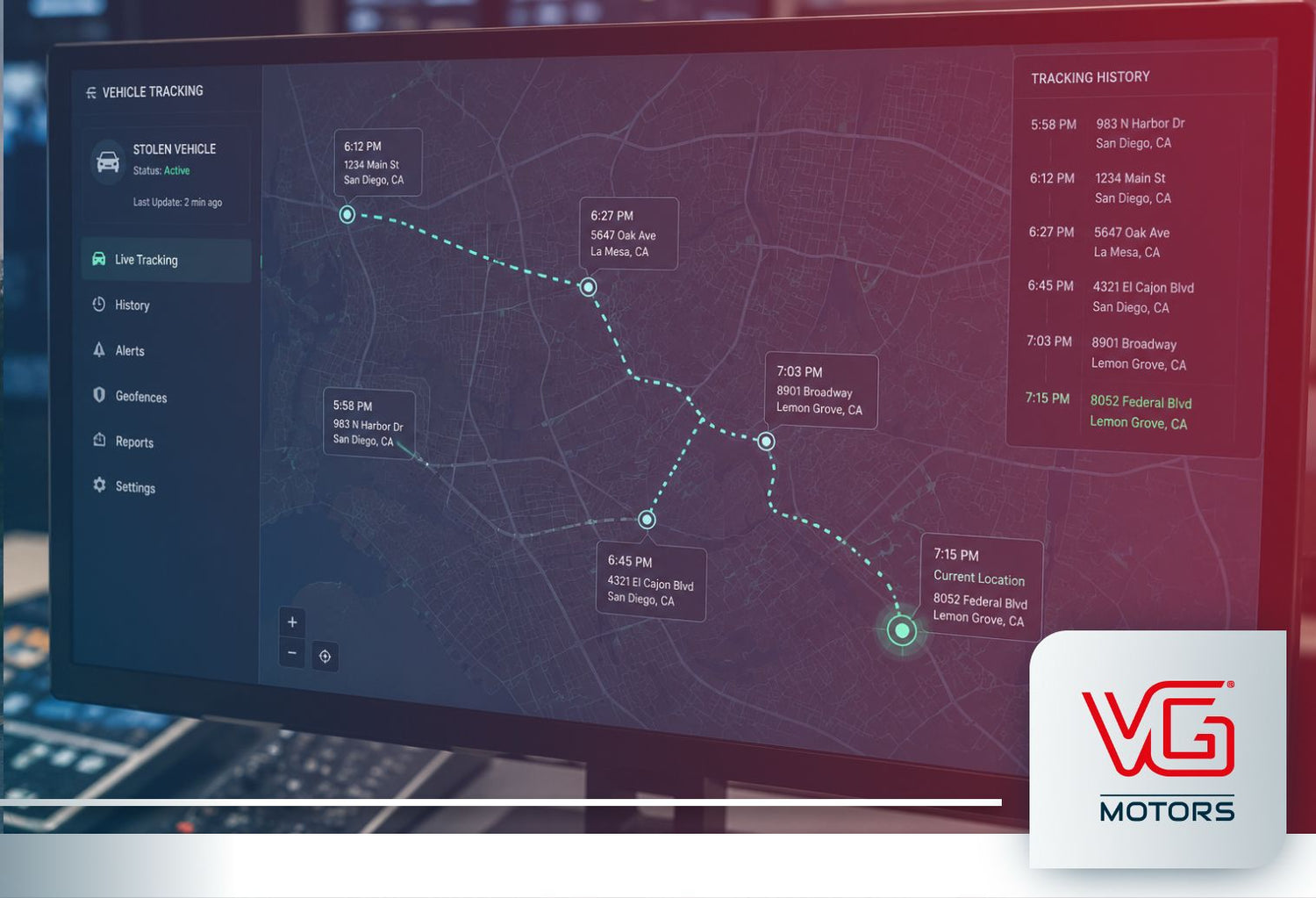
A stolen car’s location can change because the vehicle may have moved after a location update. In other cases, the vehicle may still be in the same general area, but environments such as parking garages or dense urban areas can make its exact physical position harder to interpret.
Owners should avoid attempting recovery themselves.
You receive an update showing where your stolen vehicle is.
For a moment, it feels like the situation has changed completely.
There’s an address.
A parking lot.
Maybe even a recognizable building.
Then, before police arrive, something frustrating happens: The vehicle isn’t there anymore.
Or the location changes.
Or the next update shows the car several miles away.
It’s natural to wonder: “Was the original location wrong?”
Not necessarily.
There are two very different possibilities.
1. The vehicle may actually have moved.
2. The available location may point to the correct general area while the physical environment makes the vehicle harder to pinpoint.
Understanding the difference can help you interpret changing information more realistically during a vehicle recovery.
A Changing Location Can Mean Two Different Things
When a stolen vehicle appears to change location, don’t immediately assume the technology provided incorrect information.
Two different situations can produce what appears to be a location problem.
1. The Vehicle Moved
A location can accurately represent where a vehicle was at a particular moment.
Then the vehicle leaves.
Suppose your stolen vehicle appears at an apartment complex in Houston, Texas, at 10:15 a.m.
If someone drives away at 10:18 a.m., the information from 10:15 hasn’t suddenly become false. It has become historical.
This is the difference between:
“The vehicle is there.” and “The vehicle was there when this information was generated.”
Stolen vehicles may remain stationary, move continuously, stop temporarily or be relocated multiple times.
How current a location is, and how frequently it may update depends on the technology or recovery system providing the information.
That is why owners should understand what kind of location information they are receiving rather than assume every displayed position represents the vehicle’s exact location at that second.
2. The Environment Makes the Location Harder to Interpret
The second possibility is different.
The vehicle may still be in the same general area.
The challenge is translating available location information into a specific physical position.
Consider a stolen vehicle appearing near a multi-level parking garage in Miami, Florida.
The surrounding environment may contain:
- multiple parking levels;
- underground areas;
- ramps;
- several entrances and exits;
- adjacent streets;
- nearby buildings.
A similar issue can occur in Downtown Los Angeles, where a relatively small geographic area may contain high-rise buildings, alleys, underground parking and multiple private lots.
In these situations, useful location information may significantly narrow the search area without immediately identifying a particular parking space or physical position.
That’s different from the vehicle moving. And it’s also different from simply concluding that the location information is “wrong.”

What If the Vehicle Moves While Police Are Responding?
This is where the time between location and recovery becomes operationally important.
There can be a gap between:
- receiving useful vehicle information;
- communicating that information;
- law enforcement evaluating the situation;
- officers reaching the area.
During that time, the vehicle can move.
Imagine a stolen pickup appearing at an apartment complex in Houston.
Relevant information is communicated.
Before officers reach the location, the pickup leaves.
The original information may have been useful and accurate.
The circumstances changed before physical recovery occurred.
If updated information later becomes available, it may help support the continuing recovery effort.
This is why a vehicle no longer being at an earlier location doesn’t automatically mean something failed.
Sometimes the simplest explanation is also the correct one: The vehicle moved.
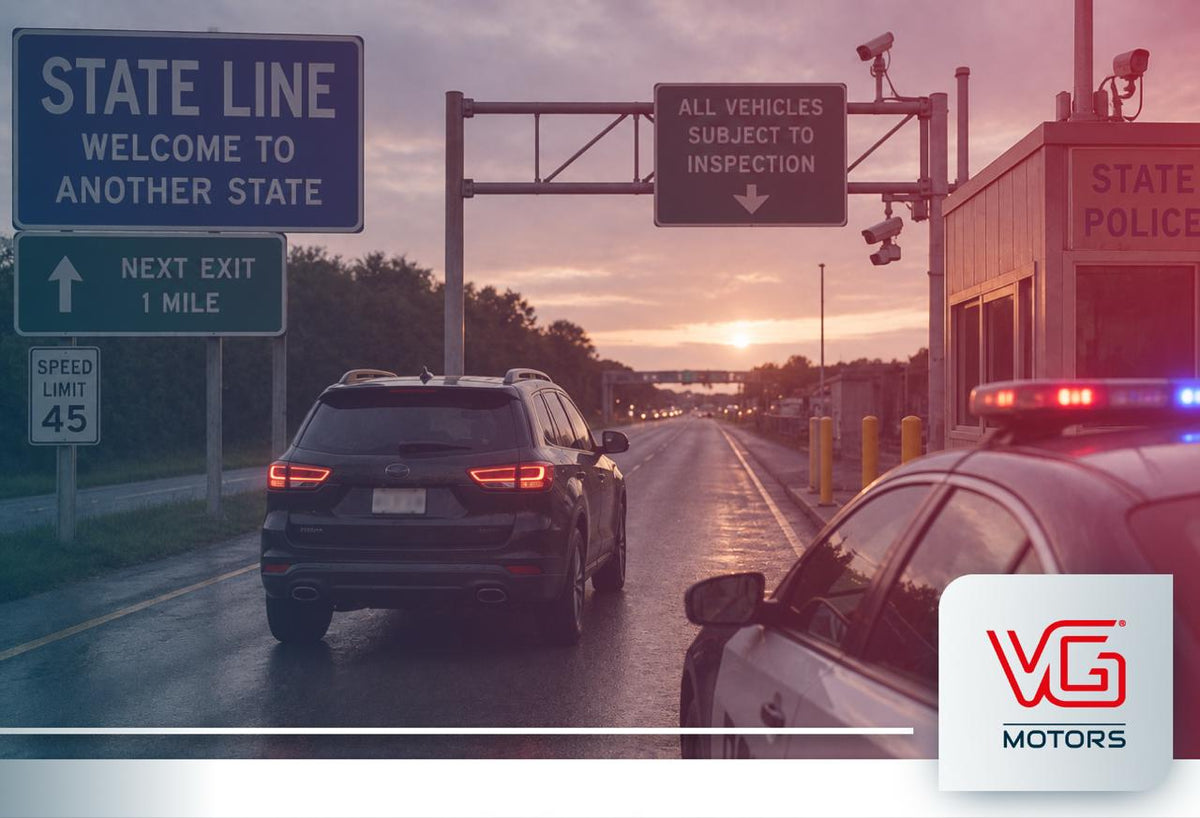
Movement Can Also Change Jurisdiction
A moving vehicle can create another practical consequence.
It may leave the area served by one law-enforcement agency and enter another.
For example, a stolen car moving through Los Angeles County may cross municipal boundaries while recovery efforts are underway.
Longer movement could involve counties or even states.
When that happens, jurisdiction and communication can become additional considerations.
But the sequence is important: The jurisdiction changed because the vehicle moved.
For a deeper explanation of what happens when that occurs, read:
What Happens When a Stolen Vehicle Crosses City or State Lines?
Why Didn’t Police Get There Before the Car Moved?
Vehicle owners understandably ask this question: There isn’t a universal response time for stolen vehicle recovery.
Law-enforcement agencies determine their response based on circumstances that may include:
- immediate public-safety concerns;
- available resources;
- jurisdiction;
- whether the vehicle is stationary or moving;
- other investigative information;
- agency procedures.
A location becoming available doesn’t create control over what happens next.
The vehicle can move while information is being communicated or while law enforcement is responding.
A recovery provider may support the flow of relevant information, but it cannot guarantee a particular police response time.
Why Following the Vehicle Yourself Is a Bad Idea
Changing locations can create a powerful temptation.
You see your car move.
You recognize the area.
Maybe you even know which direction it appears to be traveling.
You think: “If I leave now, I can catch up.”
Don’t turn vehicle location information into a personal pursuit. You don’t know:
- who is driving;
- whether other people are involved;
- whether they are armed;
- where the vehicle is going;
- whether police are already responding;
- how the situation may change when you arrive.
Consider a vehicle appearing near a warehouse district in Newark, New Jersey.
Even with useful location information, an owner approaching an unfamiliar industrial property has no reliable way to assess what is happening there.
Provide relevant updates through appropriate recovery and law-enforcement channels instead.

What Should You Do When the Location Changes?
If new location information becomes available while recovery efforts are underway:
- Don’t chase the vehicle. Avoid attempting to follow or recover it yourself.
- Use the communication channels you’ve been given. Follow instructions from law enforcement or your recovery provider.
- Share relevant updates. New location information may be useful as circumstances change.
- Keep your theft report information available. Your report number and vehicle details may be needed.
- Don’t automatically dismiss the earlier location. It may accurately show where the vehicle was at an earlier moment.
- The goal is to keep useful information flowing without creating additional safety risks.
How LoJack Fits Into a Changing Location
LoJack is designed around stolen vehicle recovery rather than leaving the owner to act on vehicle information alone.
When relevant information changes, human recovery support can help manage updates and communication according to the service’s procedures, while law enforcement retains control of its own response.
Bottom Line
If your stolen vehicle appeared somewhere and then disappeared before police arrived, don’t automatically assume the original location was wrong.
Ask which situation you’re dealing with:
Did the vehicle move? Or
Is the vehicle still within the area, but the physical environment makes its exact position harder to identify?
Those are different problems. And neither is a reason to pursue the vehicle yourself.
A vehicle location is information about a place and a moment. Recovery has to operate in a physical environment that can keep changing.
FAQ - Why a Stolen Car’s Location Can Change Before Police Arrive
Why did my stolen car disappear from its original location?
The vehicle may have moved after the location information was generated. An earlier location can have been accurate even if the vehicle is no longer there.
Does a changing location mean the tracking information was inaccurate?
Not necessarily. The vehicle may have moved, or the physical environment may make its exact position harder to identify. How location information works and how frequently it updates also depends on the technology or recovery system involved.
What is the difference between a current location and a last known location?
A current location generally refers to the most recent available location information, while a last known location describes where the vehicle was detected or reported previously. The exact meaning depends on the system providing the information.
Can parking garages make a stolen vehicle harder to locate?
Yes. Multi-level and underground parking structures can make it more difficult to translate a geographic position into a specific physical location within the structure.
Why didn’t police arrive before my stolen car moved?
Police response depends on the circumstances, available resources, safety considerations, jurisdiction and agency procedures. A recovery provider cannot guarantee a particular police response time.
Should I follow my stolen vehicle if I can see it moving?
No. Following or confronting people associated with a stolen vehicle can create serious safety risks. Communicate relevant updates through appropriate recovery and law-enforcement channels instead.
Can a stolen vehicle moving into another city affect recovery?
Yes. Movement into another jurisdiction can affect which law-enforcement agencies become relevant. The original theft report remains important even as the vehicle moves.


Leave a comment
This site is protected by hCaptcha and the hCaptcha Privacy Policy and Terms of Service apply.