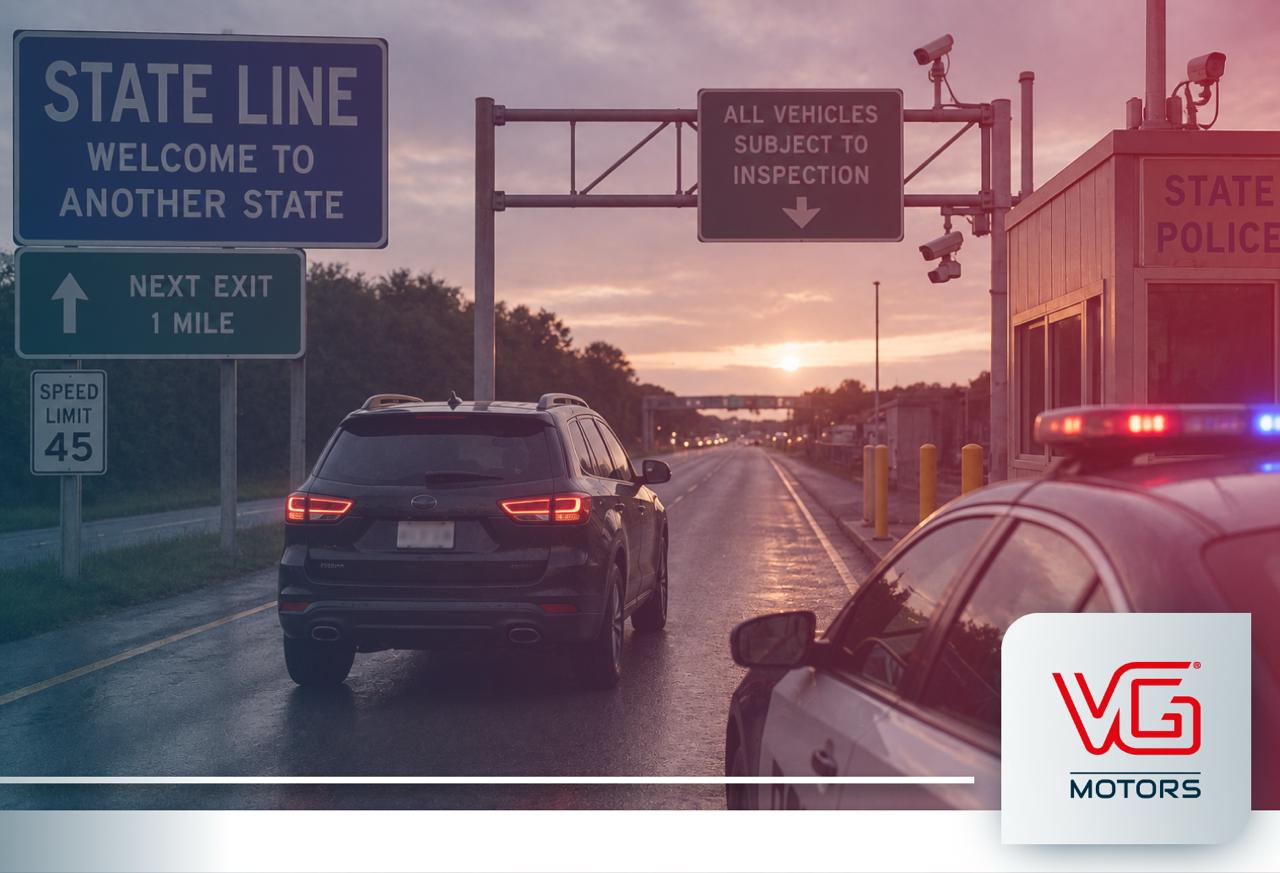
A stolen vehicle crossing into another city or state does not automatically stop recovery efforts. The original theft report remains important, but the vehicle’s new location may involve another law-enforcement agency.
Depending on the circumstances, updated location information may need to be communicated so the appropriate agency can determine how to respond.
Your truck was stolen in Houston.
Hours later, new information suggests it may be near San Antonio.
Now what?
Does the Houston Police Department still handle it?
Do you need to call San Antonio police?
Does a new police report need to be filed?
What happens if the vehicle crosses into another state entirely?
These questions matter because stolen vehicles don’t stay inside the jurisdiction where the theft occurred.
They move.
And when they do, the recovery process may need to involve different law-enforcement agencies.
The important point for the owner is this:
Crossing a jurisdiction boundary changes who may need to respond. It does not make the original theft disappear.
The Original Theft Report Still Matters
When you report a stolen vehicle, that initial police report establishes important information about the theft.
If the vehicle later appears somewhere else, its movement doesn’t erase that original report.
Consider a vehicle stolen in Los Angeles, California, that later appears in Riverside County.
The theft happened in one jurisdiction.
The vehicle is now physically located in another.
Those are two different facts that can involve different agencies.
The original theft report remains part of the case, while the vehicle’s current location can determine which law-enforcement agency is positioned to respond to what is happening now.
That distinction helps explain why interstate or intercity recovery sometimes involves more communication than recovering a vehicle close to where it was stolen.
Who Handles the Recovery in Another City?
There isn’t one universal answer because law-enforcement procedures and circumstances vary.
Generally, the agency that received the original theft report and the agency responsible for the area where the vehicle is currently located may have different roles.
Imagine a pickup stolen in Houston that is later located in San Antonio.
Houston is where the theft was reported.
San Antonio is where the vehicle may now physically be.
The relevant agencies may need to work with information related to the same stolen vehicle while operating within their respective jurisdictions.
Exactly how that communication and response occurs depends on agency procedures and the circumstances of the case.
For the owner, this is why it’s important to keep the original police report number and provide updated information through the appropriate channels rather than assuming the case needs to start over.

What If the Vehicle Crosses State Lines?
Crossing a state boundary adds another layer because the vehicle is now outside the state where the theft originally occurred.
Imagine a vehicle stolen in Phoenix, Arizona, that later appears near Las Vegas, Nevada.
The original Arizona theft report remains relevant, but law enforcement in Nevada may now be involved because the vehicle is physically within its jurisdiction.
That does not mean the owner should begin independently contacting every police department along the route.
Instead, follow the instructions provided by the law-enforcement agency handling your report and, if applicable, your vehicle recovery provider.
The goal is to keep information moving through appropriate channels rather than create conflicting or duplicated communication.
How Is Information Shared When a Vehicle Moves?
When a stolen vehicle changes location, useful information may include:
- the original police report;
- vehicle identification information;
- updated location information;
- direction of travel, when available;
- relevant case updates.
How this information is exchanged depends on the agencies, systems and recovery provider involved.
The important operational point is that the information needs to remain connected to the same stolen vehicle case even when geography changes.
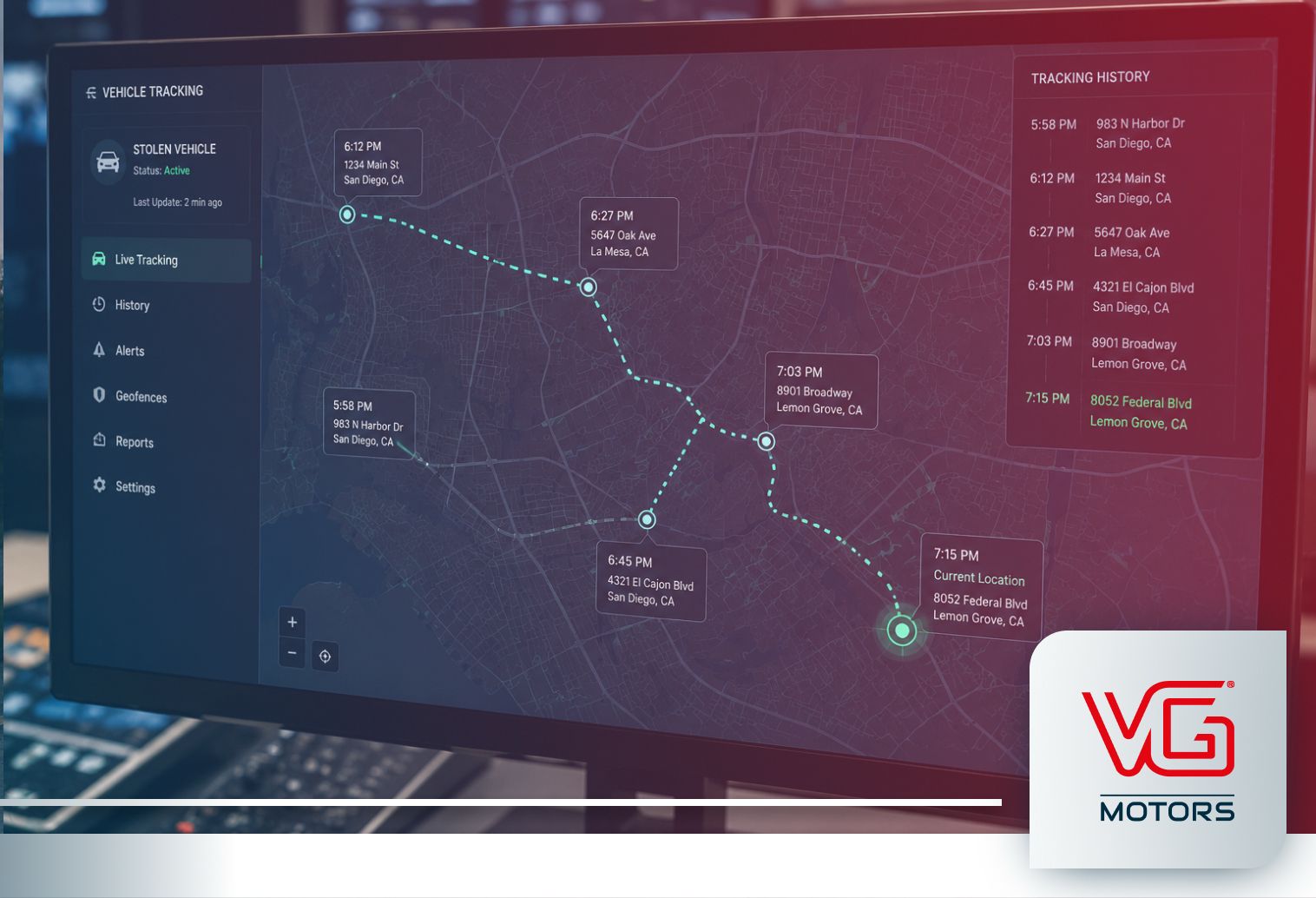
This becomes especially relevant with a moving vehicle. A car may pass through several cities within an hour.
The response cannot realistically be understood as creating an entirely new theft case every time the vehicle crosses a municipal boundary.
What Does a Recovery Team Do When Jurisdiction Changes?
If a dedicated recovery provider is involved, changing geography can affect how relevant vehicle information needs to be managed or communicated.
Consider a stolen vehicle moving from Miami toward Fort Lauderdale, Florida.
As the vehicle’s location changes, information that was relevant to one area may now become relevant to another.
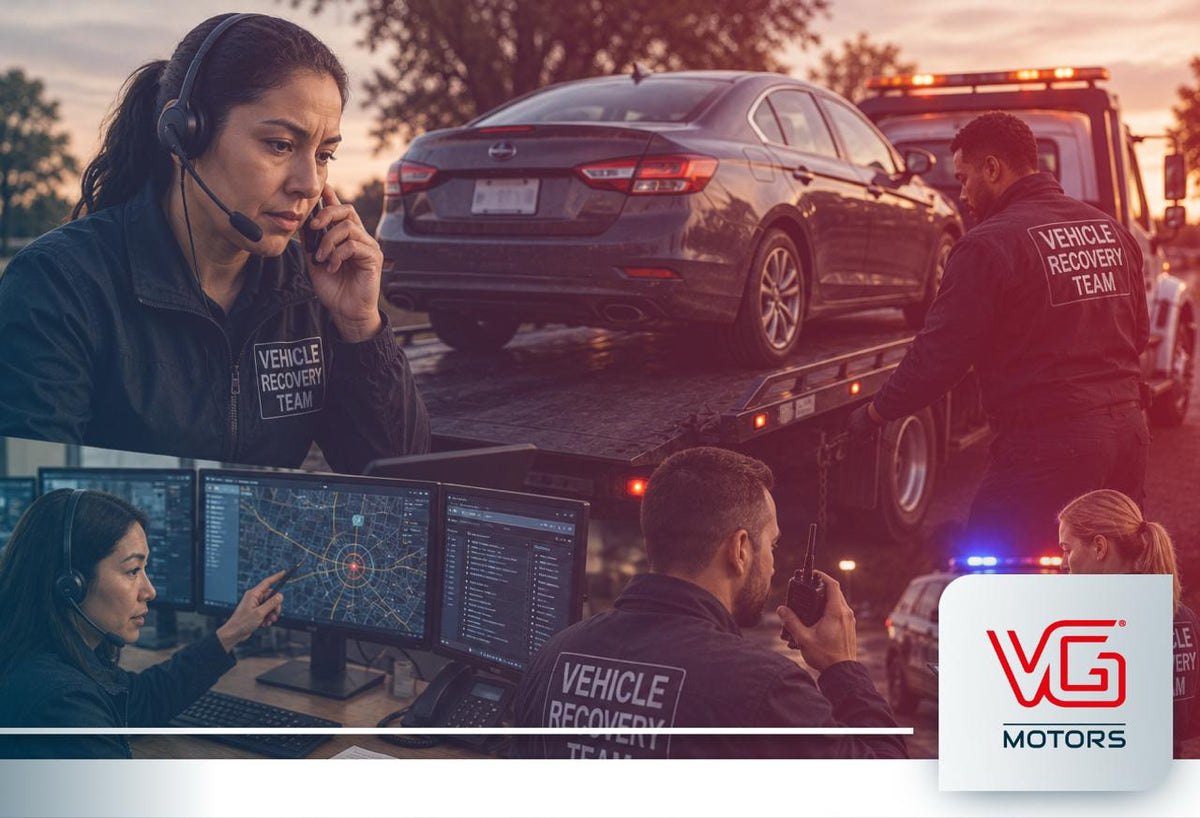
A recovery team may help manage these updates and support communication according to the provider’s procedures.
That doesn’t mean the recovery team decides which police department responds or directs officers across jurisdictions.
Law-enforcement agencies retain control over their own operational decisions.
The recovery team’s role is on the information and communication side of the process.
Related article: What Does a Vehicle Recovery Team Actually Do?
What If the Vehicle Keeps Moving Through Multiple Cities?
This is where stolen vehicle recovery becomes particularly dynamic.
Consider a car stolen in Newark, New Jersey, that moves toward New York City.
A location received in Newark may no longer describe the vehicle’s current position by the time someone acts on it.
If the vehicle continues moving, new information can become relevant as the situation develops.
This is one reason a location should not automatically be interpreted as an invitation for the owner to follow the vehicle.
Crossing jurisdictions can already create a complex operational situation.
Adding the vehicle owner to that moving situation can create unnecessary safety risks.
Should You Call Police in the New City Yourself?
This is one of the most practical questions owners have.
There isn’t a universal answer because procedures vary between agencies and circumstances.
If you already have an active stolen vehicle report, start by following the instructions provided by the law-enforcement agency handling that report.
If new location information becomes available, provide it through the appropriate channel.
If you’re working with a vehicle recovery provider, follow its procedures for communicating updates as well.
If you’re specifically instructed to contact another agency, keep your original report information available.
What you should avoid is assuming that you personally need to coordinate several police departments at once.
Do You Need to File Another Theft Report?
Not necessarily.
Moving into another jurisdiction does not mean the vehicle was stolen again.
The original police report documents the theft.
Another agency may create its own records or documentation if it becomes involved in locating or recovering the vehicle, depending on its procedures.
If you’re unsure what documentation is required, ask the agency handling your case rather than automatically filing duplicate theft reports.
Does Crossing State Lines Make Recovery Impossible?
No.
Geographic movement can make a recovery more complex, but crossing a municipal, county or state boundary does not by itself make a stolen vehicle unrecoverable.
- The challenge is operational.
- The vehicle may be moving.
- Its location may change.
- Different agencies may become relevant.
- Information may need to be communicated across jurisdictions.
Those factors can affect how the recovery unfolds, but they don’t erase the original theft or make the vehicle somehow invisible once it crosses a boundary.
What Should the Vehicle Owner Do?
If location information suggests that your stolen vehicle has moved into another city or state:
- Keep your original police report information available.
- Provide relevant new information through the appropriate law-enforcement channel.
- Update your recovery provider if one is involved and follow its procedures.
- Keep records of significant updates and communications.
- Do not attempt to follow or recover the vehicle yourself.
If the vehicle is recovered far from home, additional practical questions may follow, including towing, transportation, vehicle release and insurance inspection.
Those issues are generally addressed after the vehicle has been physically secured.
How LoJack Fits Into Cross-Jurisdiction Recovery
A recovery-focused system becomes particularly relevant when vehicle information changes as the stolen car moves.
LoJack’s role should not be understood as controlling police activity across jurisdictions.
Rather, the recovery process can include human support for managing relevant vehicle information and communication while the law-enforcement agencies involved determine their own response.
For the broader process that occurs between obtaining useful location information and physically securing the vehicle, read:
Bottom Line
A stolen vehicle doesn’t stop being stolen because it crosses from Los Angeles into Riverside County, from Houston toward San Antonio, or even from Phoenix, Arizona, into Nevada.
What changes is the operational environment around it.
The original theft report remains important. The vehicle’s current location may bring another law-enforcement agency into the situation. And if the vehicle continues moving, relevant information may need to follow it across jurisdiction boundaries.
For the owner, the priority is not figuring out which police department should take over at every city limit.
It is keeping accurate information flowing through the appropriate recovery and law-enforcement channels while allowing those agencies to determine how to respond.
FAQ - What Happens When a Stolen Vehicle Crosses City or State Lines?
What happens if my stolen car is found in another city?
The original theft report remains relevant, but the law-enforcement agency responsible for the area where the vehicle is found may become involved. Procedures vary depending on the agencies and circumstances.
Does the original police department still handle the case?
It may remain involved because it received the original theft report, while another agency may become involved because of the vehicle’s current location. The exact roles depend on jurisdiction and agency procedures.
Do I need another police report if my stolen vehicle crosses state lines?
Not automatically. The original report documents the theft. Additional agencies may create their own records if they become involved, but owners should follow instructions from the agencies handling the case rather than automatically filing duplicate theft reports.
Should I call police in every city where my stolen vehicle appears?
Generally, don’t assume you need to coordinate multiple agencies yourself. Provide updated information through the appropriate law-enforcement and recovery channels and follow the instructions you receive.
Can police recover a vehicle stolen in another state?
A law-enforcement agency may become involved when a stolen vehicle is located within its jurisdiction. How agencies coordinate and respond depends on the circumstances and their procedures.
What if my stolen vehicle crosses into another state while it is still moving?
Continue providing relevant updates through the appropriate channels. Do not attempt to follow the vehicle yourself. A moving vehicle can quickly create changing jurisdiction and safety considerations.


Leave a comment
This site is protected by hCaptcha and the hCaptcha Privacy Policy and Terms of Service apply.