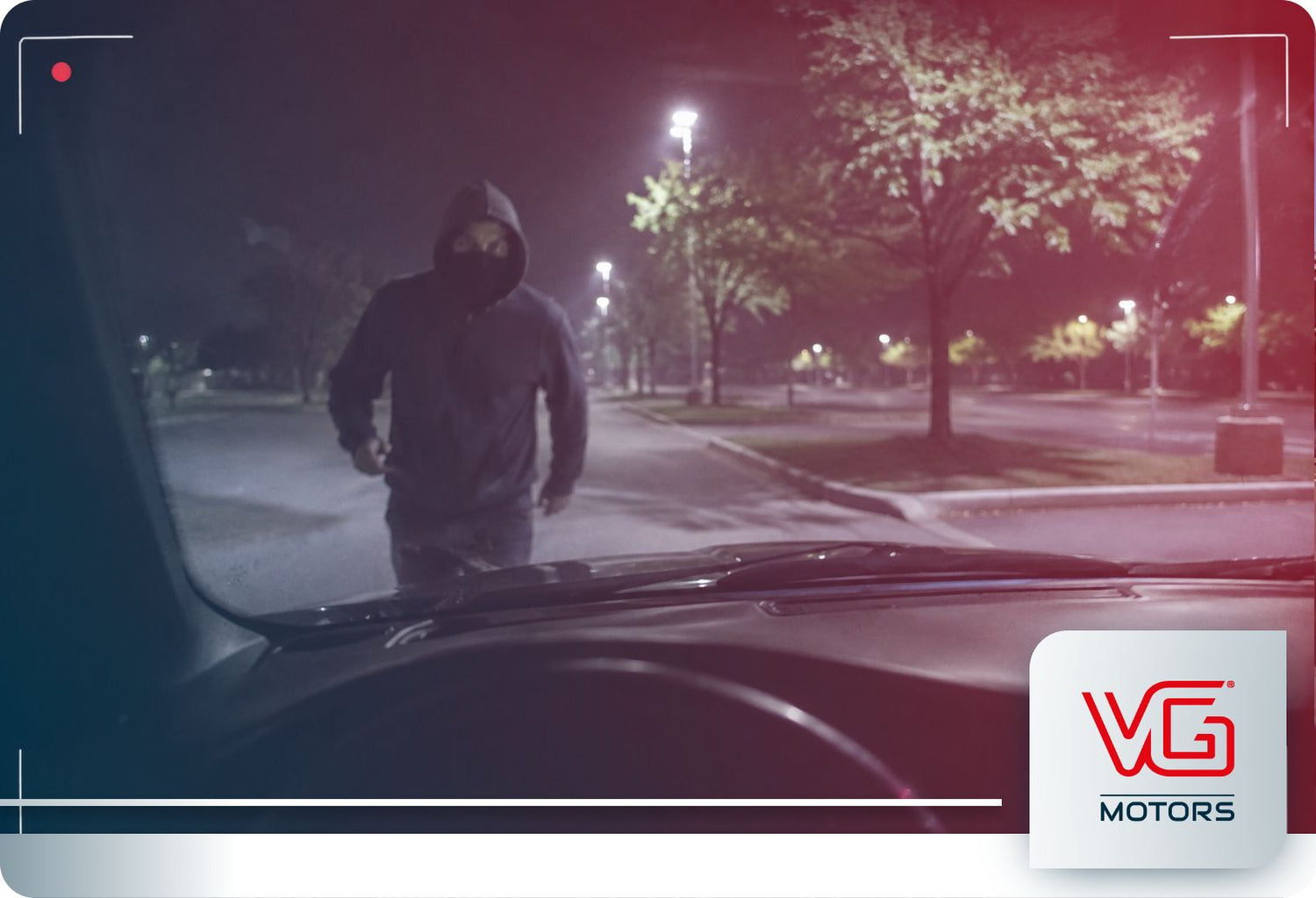
You drive through an intersection and another vehicle suddenly enters your lane.
Seconds later, both drivers remember the incident differently.
Or maybe you return to your parked car and discover damage that wasn't there before.
Most days, nothing happens at all, which is exactly what you want.
That creates an unusual buying decision.
A dash cam is something you may use every day but hope you never truly need.
So what makes one worth having?
When Is a Dash Cam Worth Having?
For many drivers, a dash cam can be worth it because it creates an independent visual record of accidents, hit-and-runs and other events within the camera's view. Its value depends on coverage, video quality and configuration. It can document an incident, but it cannot prevent every event or replace stolen-vehicle recovery.
What a Dash Cam Can—and Can’t—Do
At its most basic level, a dash cam records video from the vehicle.
While you're driving, that can create a visual record of what happened immediately before, during and after an incident within the camera's field of view.
Depending on the system, that record may also include information such as time, GPS data, speed data or audio. More sophisticated cameras may offer features such as event recording, Parking Mode or app connectivity.
But the fundamental job remains straightforward:
A dash cam creates a record of what its cameras can capture.
That can be extremely useful.
It also defines the limitation.
A dash cam cannot see outside its coverage, guarantee that every detail will be identifiable or prevent another driver from causing an accident.
Understanding that boundary makes it much easier to decide whether you need one—and what type makes sense.

When Can Dash Cam Footage Be Useful?
The clearest value often appears when something happens and there is uncertainty about what occurred.
Consider a collision at an intersection.
One driver says the light was green.
The other remembers it differently.
Witnesses may not have stopped, and the physical scene may tell only part of the story.
If relevant footage exists and clearly captures the event, it provides an additional record that doesn't depend entirely on either driver's memory.
The same principle can apply to:
- collisions;
- hit-and-run incidents;
- unexpected road events;
- certain incidents involving a parked vehicle.
Footage doesn't automatically determine liability, prove every relevant fact or guarantee a particular insurance or legal outcome.
Its value is simpler:
Something was recorded that otherwise might have depended entirely on recollection.
Driving and Parking Are Two Different Use Cases
Most people picture a dash cam recording while the vehicle is moving.
The engine is running. The camera has power. The road ahead is being recorded. But many drivers have another concern:
“What happens when I'm not in the car?”
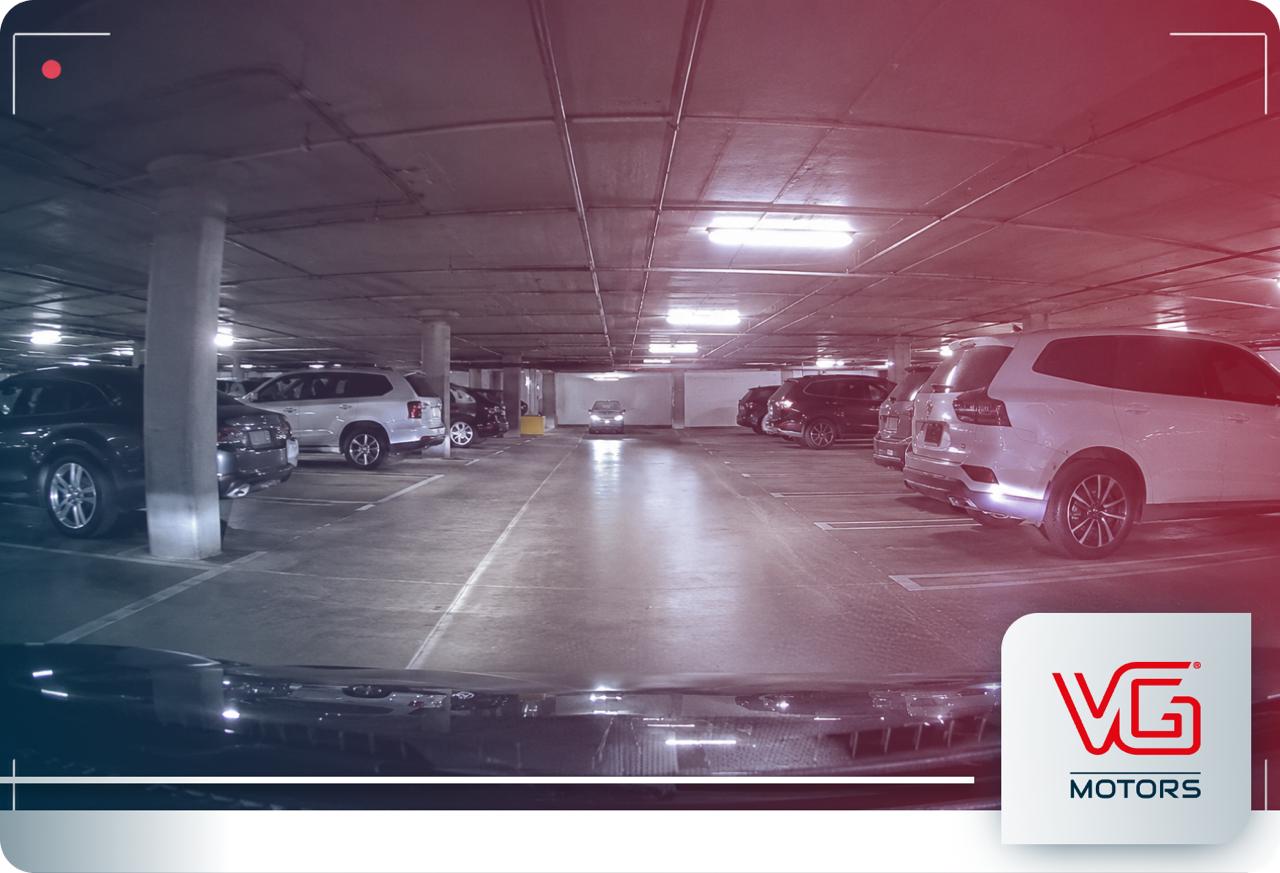
That's where Parking Mode becomes relevant.
Compatible dash cams can provide recording functions while the vehicle is parked when appropriately powered and configured. Depending on the system, this can include motion- or impact-related event recording.
For example, BlackVue documents Parking Mode functionality for compatible models, while the exact behavior depends on the camera and power configuration.
That makes Parking Mode potentially valuable for someone worried about what happens while a vehicle is unattended—but it also introduces separate questions about power, storage and recording behavior.
Those deserve their own explanation rather than a few technical paragraphs here.

Front-Only vs. Front-and-Rear
The next decision is coverage.
A front-facing camera records what happens within its forward field of view.
For many drivers, that addresses the primary reason they want a dash cam: documenting the road ahead.
Adding a rear camera expands the available visual record and may provide additional context for incidents occurring behind the vehicle, including rear-end collisions.
But, more cameras mean more coverage, not complete coverage.
A front-and-rear system still cannot see every angle around the vehicle.
And more coverage isn't automatically necessary for every driver.
The useful question is:
What do you actually want documented?
Someone primarily concerned with recording the road ahead may reach a different decision from someone who wants additional context behind the vehicle.
What Are the Limitations of a Dash Cam?
A dash cam can be valuable without being perfect.
Several limitations should be understood before buying one.
The camera only records what it can see
Field of view matters. An event completely outside the camera's coverage may not appear in the footage.
Even multi-camera setups can have areas they don't capture.
Video quality depends on more than resolution
Resolution matters, but so do lighting, movement, weather, distance, glare, camera placement and sensor performance.
A 4K specification should not be interpreted as a guarantee that every license plate or detail will always be readable.
Footage isn't stored forever
Dash cams commonly use loop recording, meaning older footage can eventually be replaced as available storage fills.
Understanding how your particular camera stores, protects and exports important recordings matters.
Parking recording requires an appropriate power setup
A dash cam cannot simply record indefinitely after the vehicle is turned off.
Parking functionality depends on the equipment, installation, power source and configuration.
Footage doesn't guarantee an outcome
A recording may provide useful evidence after an incident, but that doesn't mean every event will be captured clearly or that footage automatically determines an insurance, legal or law-enforcement decision.
These limitations don't make dash cams ineffective.
They define what you can realistically expect from one.
Is a Dash Cam an Anti-Theft Device?
A dash cam may record certain events associated with attempted theft, break-ins or activity around a vehicle when the circumstances, camera position and configuration allow it.
But recording an event is not the same as stopping it.
Recording a theft-related event is not the same as preventing theft or recovering a stolen vehicle.
This distinction matters because automotive protection includes technologies designed for different purposes.
A dash cam primarily provides documentation.
Security measures designed to make unauthorized access or operation more difficult address deterrence or theft resistance.
Stolen-vehicle recovery systems address a different stage: what happens after a vehicle has been stolen.
All can be useful.
They simply aren't interchangeable.
So, Are Dash Cams Worth It?
For many drivers, yes.
But the answer depends less on whether you consider yourself a “high-risk driver” and more on what kind of uncertainty you want to reduce.
Imagine an everyday commuter.
Hundreds of trips may pass without anything worth saving.
Then one afternoon there's a collision.
At that moment, the value calculation changes.
The question isn't “How often did I need my dash cam?”
It's “Would I rather have a record of what happened or rely entirely on what everyone remembers?”
For many people, that's enough to make a dash cam worthwhile.
For others, the cost, installation or additional equipment may not justify the benefit.
The right answer depends on whether the camera solves a documentation problem you actually care about solving.
What Should You Look for Before Buying a Dash Cam?
Rather than comparing dozens of specifications, start with six practical questions.
Coverage
Do you want to record only the road ahead, or do you also want a rear view?
Video quality
Can the camera produce useful footage under the conditions in which you normally drive?
Parking
Do you want recording capabilities while the vehicle is unattended?
Power
If Parking Mode matters, how will the camera receive power when the vehicle is off?
Storage
How is footage stored, overwritten and preserved?
Access
How easily can you review and retrieve a recording when you actually need it?
These decisions matter more than simply choosing whichever camera has the longest specification sheet.
Once you know what you want documented, choosing the appropriate setup becomes much easier.

Two BlackVue Options Available from VG Motors
VG Motors currently offers two BlackVue configurations that illustrate the coverage decision particularly well.
BlackVue DR590X-1CH Plus
The BlackVue DR590X-1CH Plus available from VG Motors is a front-only Full HD system.
It makes sense to consider if your priority is relatively straightforward documentation of the road ahead without adding a rear camera.
BlackVue DR970X-2CH Plus II
The BlackVue DR970X-2CH Plus II available from VG Motors provides front-and-rear coverage, with 4K recording at the front and Full HD at the rear.
It fits a different need: drivers who want the additional visual context provided by recording both ahead of and behind the vehicle.
Neither choice should begin with: “Which camera has the bigger specification?”
Start with: “Which parts of my driving environment do I want documented?”
Then choose the configuration that matches that need.
A Dash Cam Is One Layer of Vehicle Protection, not the Whole System
The easiest way to misunderstand automotive protection is to expect one device to solve every problem.
Different technologies have different jobs.
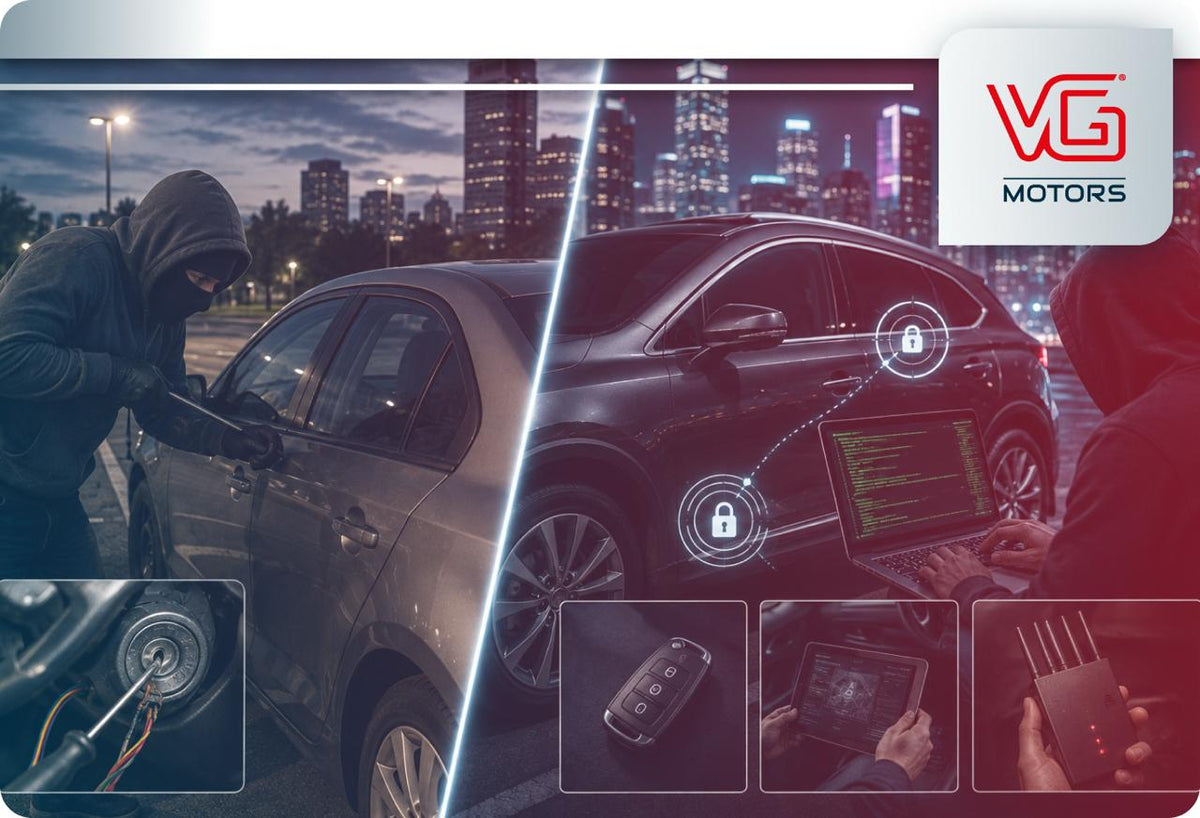
Documentation → Dash cam
Deterrence / theft resistance → Security measures designed for those purposes
Stolen-vehicle recovery → Recovery system
The categories can complement one another precisely because they aren't trying to accomplish the same thing.
This distinction becomes particularly important with vehicle theft.
A dash cam may capture useful footage when the circumstances allow it.
But if the vehicle itself has been stolen, the problem has changed.
Now you're dealing with recovery.
LoJack is designed around stolen-vehicle recovery and to support the recovery process in collaboration with law enforcement. It should not be confused with the documentation role of a dash cam, just as a dash cam shouldn't be described as a recovery system.
Different tools solve different problems.
For drivers who want both incident documentation and stolen-vehicle recovery support, those technologies can therefore be combined rather than expecting one device to perform both jobs.
VG Motors offers a vehicle protection solution combining a BlackVue front-and-rear dash cam with LoJack, along with additional security components.
The important point isn't that combining products creates an impenetrable vehicle.
It doesn't.
The logic is that each technology has a distinct role.
The BlackVue dash cam documents what its cameras are able to capture.
LoJack addresses stolen-vehicle recovery.
Combining them broadens the types of problems the vehicle owner is prepared for without pretending that either technology does everything.

FAQ - Are Dash Cams Worth It? What They Help With, and What They Can’t Do
Are dash cams worth having?
For many drivers, yes. Their main value is providing an independent visual record of accidents, hit-and-runs and other events within the camera's coverage. Whether that value justifies the cost depends on what you want documented.
Do dash cams record all the time?
Many dash cams use continuous loop recording while driving. What happens after the vehicle is turned off depends on the camera, power setup and Parking Mode configuration.
Do dash cams record when the car is parked?
Compatible cameras can provide Parking Mode recording when appropriately powered and configured. The exact behavior varies by system.
Is front-and-rear dash cam coverage worth it?
It can be if you value additional context behind the vehicle. Front-only may be sufficient for drivers primarily interested in recording the road ahead, while front-and-rear expands coverage without providing complete visibility around the entire vehicle.
Can dash cam footage help after an accident?
Potentially. Relevant footage can provide an additional visual record of what happened, although usefulness depends on what the camera captured and the circumstances of the incident.
Does a dash cam prevent car theft?
A dash cam should not be treated as a guarantee against theft. Its primary role is documentation. Technologies designed for deterrence, theft resistance and stolen-vehicle recovery perform different functions.
The Real Value Is Having a Record When You Need One
Most of what a dash cam records will hopefully be uneventful.
Ordinary commutes.
Normal traffic.
Trips where nothing goes wrong.
Its value becomes easier to understand on the day something unexpected does happen.
A dash cam cannot control that event.
It cannot guarantee that every important detail will be visible.
And it cannot replace technologies designed for completely different vehicle-protection problems.
What it can provide is something much simpler: an independent visual record of what its cameras were able to see.
When what happened is suddenly uncertain, that record may be exactly why having a dash cam was worth it.


Leave a comment
This site is protected by hCaptcha and the hCaptcha Privacy Policy and Terms of Service apply.