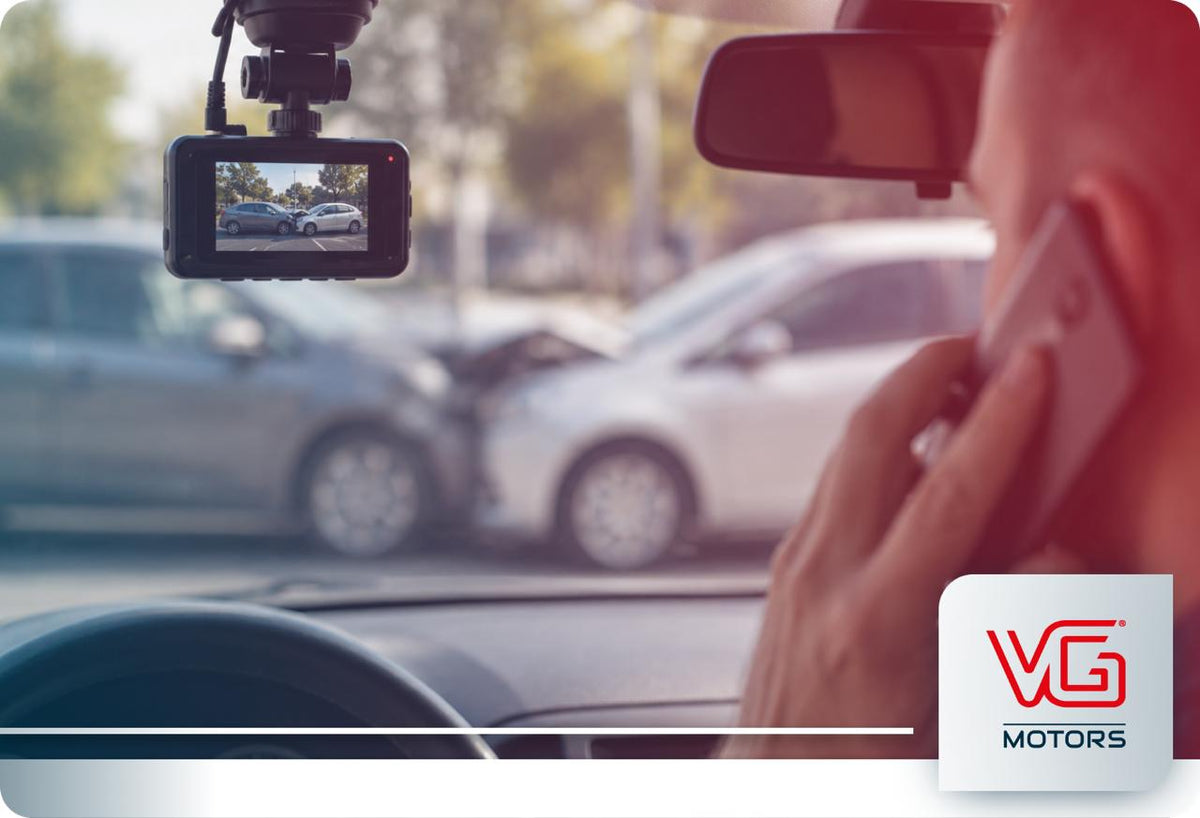
You file an insurance claim after a collision.
You provide photos, describe what happened and answer questions about the accident. Then you remember: Your dash cam recorded it.
That can feel like the most important piece of information in the entire claim.
Sometimes it may be extremely useful.
But insurance claims aren't decided by the existence of a video alone.
The more useful question is: What can dash cam footage add to the information the insurer already has?
How Can Dash Cam Footage Help With an Insurance Claim?
Dash cam footage can provide additional evidence about how an accident occurred, including vehicle movement, traffic conditions and other visible context. An insurer may consider relevant footage alongside statements, photographs, police reports, vehicle damage and other information.
Video can strengthen the available record, but it does not automatically determine fault, coverage or the outcome of a claim.
Where Does Dash Cam Footage Fit Into the Claim?
An auto insurance claim is rarely built from one piece of information.
After an accident, an insurer may review multiple sources to understand both what happened and what the policy covers.
Depending on the circumstances, that record can include driver statements, photographs, vehicle damage, police reports, witness information and other available evidence.
Dash cam footage can become another part of that record.
In fact, Allstate explicitly includes dash cam footage, if available, among the information a driver may need when starting an auto insurance claim.
Source:
https://www.allstate.com/claims/auto-motorcycle
Progressive similarly explains that an insurance adjuster may review statements, the accident scene, police reports, video footage and other information related to the loss when evaluating a claim.
Source:
https://www.progressive.com/answers/what-is-an-insurance-adjuster/
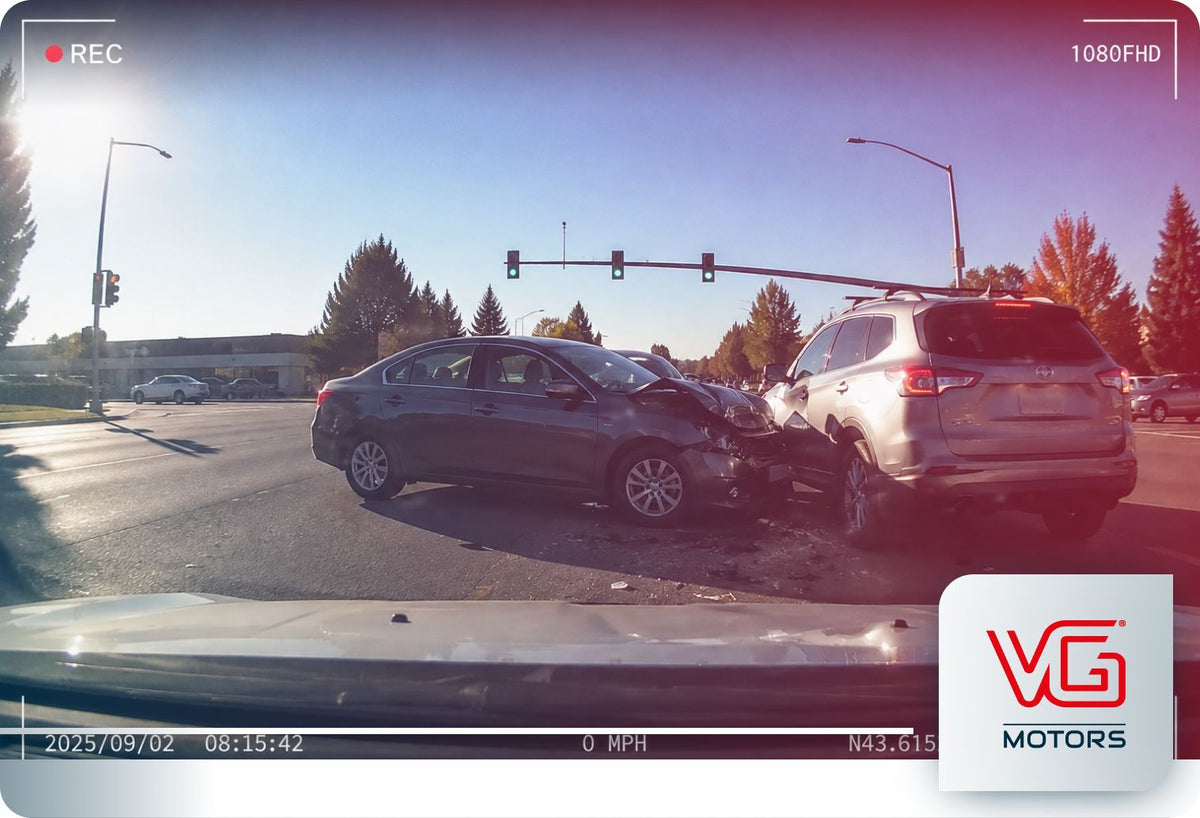
The particular value of dash cam footage is that it may show part of the incident while it was happening, rather than documenting only what remained afterward.
Imagine a collision during a lane change.
Vehicle damage can show that contact occurred.
The drivers can describe what they remember.
A dash cam recording may add visual context about vehicle positions or traffic movement immediately before the impact.
Dash cam footage doesn't replace the insurance claim. It adds another source of information to it.
That distinction is central to understanding its real value.

What Might an Insurance Company Look for in Dash Cam Footage?
The answer depends on the accident and what questions need to be resolved.
An insurer reviewing relevant footage may be interested in visible details such as vehicle movement, lane position, traffic conditions, signals or signs, the sequence leading to impact and what happened immediately afterward.
But the usefulness of each detail depends on what the camera actually captured.
A front-facing camera, for example, might clearly show traffic ahead while providing little information about something that happened beside the vehicle.
The important question isn't: “Do you have dash cam footage?”
It's:
“Does the footage contain information relevant to this claim?”
Can Dash Cam Footage Help When Drivers Disagree About What Happened?
Yes. This is one situation where footage may become particularly useful.
Consider two drivers involved in a collision near an intersection in Dallas.
They disagree about their positions and how traffic was moving immediately before impact.
If a dash cam captured the relevant area, the recording may provide additional information about vehicle movement, surrounding traffic or the sequence leading to the collision.
But even useful footage should be evaluated within the broader claim.
A recording may clarify one disputed fact without answering every other question.
Does Dash Cam Footage Automatically Prove Who Was at Fault?
No.
Footage can provide strong evidence about certain facts without automatically determining fault.
The camera records from a particular position and within a particular field of view. Something relevant may have happened outside the frame, or the recording may show the collision without showing everything that led to it.
Clear footage can strengthen the evidence. It doesn't turn the claim into an automatic decision.
Let the recording establish what it actually shows rather than assuming that having video means the claim has already been decided.
Should You Send Dash Cam Footage to Your Insurance Company?
Relevant dash cam footage may be useful to your insurer when a claim is being evaluated.
If your insurer requests the recording, follow its instructions for providing the file.
If you believe footage contains important information about the accident, tell the insurer that the recording exists and ask how it should be submitted through the claim process.
Progressive, for example, provides claim channels through which customers can securely share information such as photos, videos and documents after filing a claim.
Source:
https://www.progressive.com/claims/faq/how-to-report-a-claim/
Before sharing anything, preserve the original file.
Dash cams commonly use finite storage and loop recording, so footage may eventually be overwritten if it isn't saved.
Whenever practical, keep the original recording and create a separate copy for submission or review.
Preserve first. Submit through the appropriate claim process second.
Should You Send the Entire Recording or Just the Accident?
There isn't one universal answer for every claim.
The relevant event may occupy only a small portion of a longer recording, and insurers may have their own processes for receiving video evidence.
As a practical preservation step, retain the complete original footage that may be relevant, even if a shorter copy is eventually submitted for convenience.
Context can matter.
The seconds or minutes before an impact may show traffic conditions, vehicle movement or another detail that initially seemed unimportant.
If you're asked to submit footage, follow the insurer's instructions while retaining the original recording separately.
What If the Footage Seems to Hurt Your Claim?
This is an important part of treating dash cam footage as evidence rather than as a product benefit.
A camera doesn't record only information that favors the person who owns it.
Footage may support your recollection.
It may show an event differently from how you remembered it.
Or it may contain information relevant to multiple sides of the claim.
The camera's job is to preserve what happened within its view—not to take the driver's side.
Drivers shouldn't assume that owning the recording means it will necessarily support the outcome they expect.
If a claim involves substantial losses, injuries, litigation or uncertainty about legal obligations concerning evidence, seek appropriate professional guidance for the specific circumstances.
Can Dash Cam Footage Replace a Police Report?
No. They serve different roles.
Dash cam footage records what was visible from a particular camera perspective. A police report may contain statements, observations and other information gathered after the incident.
If both exist, each may contribute something different to the claim.
A more useful question than “Which piece of evidence matters most?” is:
“What does each piece of evidence help establish?”
What If the Accident Wasn't Fully Captured?
A recording doesn't need to show the exact moment of impact to contribute useful information.
It may still show vehicle position, traffic movement, conditions immediately before the collision or relevant events afterward.
Preserve what the camera actually recorded and allow it to be evaluated for what it contributes.
Can Dash Cam Footage Affect Whether Insurance Covers the Accident?
This requires an important distinction between evidence about what happened and coverage under an insurance policy.
Dash cam footage may help clarify facts surrounding an accident.
But whether a particular loss is covered also depends on the insurance policy, applicable terms, exclusions, deductibles and circumstances of the claim.
Those are not the same question.
Footage can help establish facts. The policy determines what coverage applies to those facts.
Progressive makes a similar distinction in its claims information: available services and coverages depend on what was purchased before the loss, and coverage remains subject to the terms of the policy.
Source:
https://www.progressive.com/claims/faq/how-to-report-a-claim/
Useful video doesn't create insurance coverage that wasn't present in the policy. And having no video doesn't automatically mean a valid covered claim cannot proceed.
What About Claims Involving a Hit-and-Run?
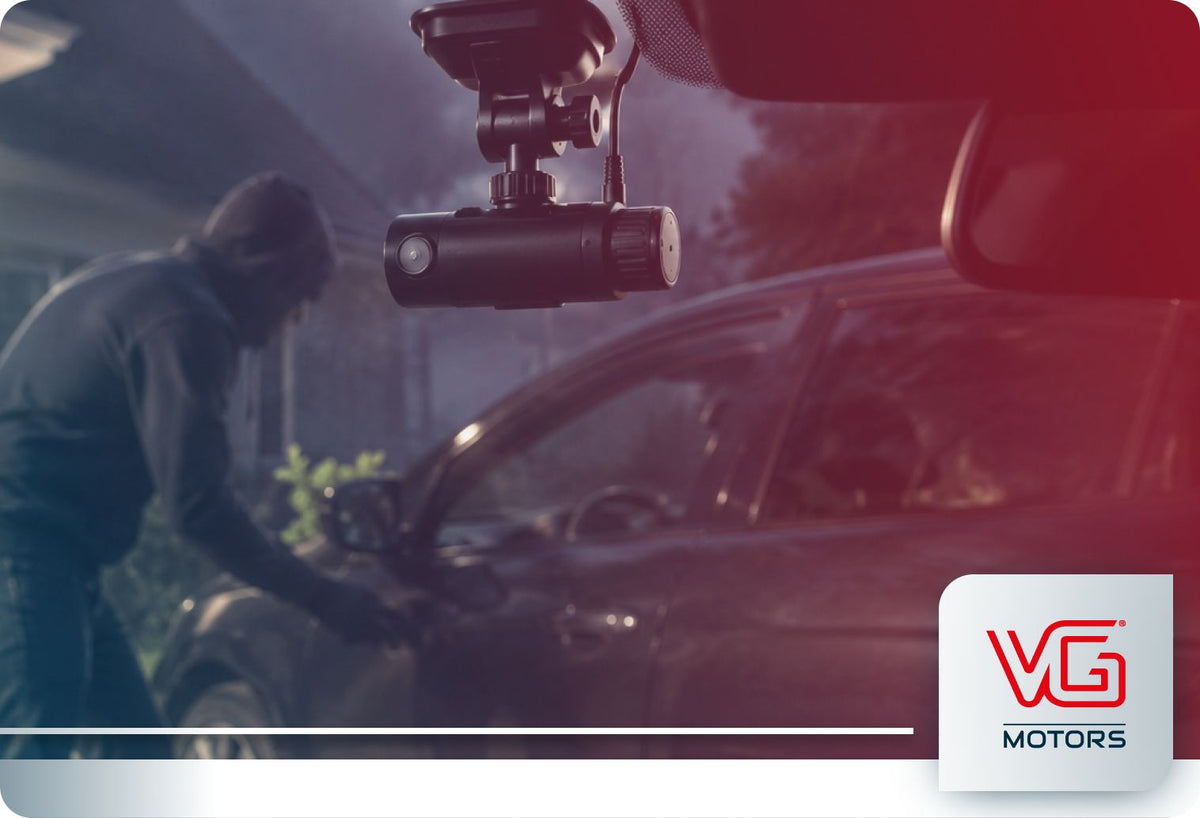
Dash cam footage can be particularly useful when another vehicle leaves the scene, but expectations still need to remain realistic.
A recording may capture the other vehicle, its movement, identifying characteristics or, under favorable conditions, a license plate.
But none of those details should be guaranteed.
Distance, lighting, motion, camera angle, resolution and obstructions all affect what can actually be seen.
Even when identifying information isn't readable, footage may still preserve useful context about how the incident occurred.
If you've been involved in a hit-and-run, follow the appropriate reporting and insurance procedures rather than relying on the recording alone.

During a Claim: Keep the Footage Useful
Preserve → Keep the original recording.
Context → Retain relevant footage around the incident, not only the moment of impact.
Copy → Keep the original and use a separate copy for sharing when appropriate.
Disclose → Tell the insurer when relevant footage exists and follow its submission process.
Expect → Let the footage support the claim record rather than expecting it to replace the claim process.
Dash Cam Footage and Insurance Claims: What It Can and Can't Do

This is the most useful way to think about footage during an insurance claim: Valuable evidence, without assuming automatic results.
FAQ - Can Dash Cam Footage Help With a Car Insurance Claim?
Can I use dash cam footage for a car insurance claim?
Potentially, yes. Relevant footage can provide additional evidence about how an accident occurred and may be considered alongside statements, photographs, police reports and other claim information.
Will dash cam footage prove I wasn't at fault?
Not automatically. Footage may provide strong evidence about certain facts, but fault can depend on the complete circumstances and other available evidence.
Should I tell my insurance company I have dash cam footage?
If you believe the recording contains information relevant to the accident, tell the insurer it exists and ask how they want it submitted through the claim process.
Should I edit dash cam footage before sending it to insurance?
Preserve the original recording. If a shorter clip is needed, keep the complete original separately and follow the insurer's instructions for submitting footage.
Can dash cam footage help with a hit-and-run claim?
It may. Footage could document the incident or provide information about the other vehicle, but image quality, camera position and recording conditions affect what can actually be identified.
Does dash cam footage guarantee an insurance claim will be approved?
No. Footage can contribute evidence about what happened, while coverage and the claim outcome depend on the policy, circumstances and broader claim evaluation.
The Best Footage Adds Clarity, Not Certainty
After an accident, it's understandable to look at a dash cam recording and think: “There. That's the answer.”
Sometimes the footage may clarify an important part of what happened. But an insurance claim involves more than whether a video exists.
The recording becomes useful because it adds information to the broader record.
- Preserve it.
- Keep the original.
- Tell the insurer when relevant footage exists.
- And let the recording establish what it actually captured.
Dash cam footage can strengthen the evidence behind a claim. It doesn't replace the claim itself.


Leave a comment
This site is protected by hCaptcha and the hCaptcha Privacy Policy and Terms of Service apply.