You decide you want a dash cam. Then comes the next question:
How many cameras do you actually need?
A front-only dash cam records the road ahead.
A front-and-rear system adds another perspective behind the vehicle.
That can make the decision sound like a simple case of more cameras being better. It isn't.
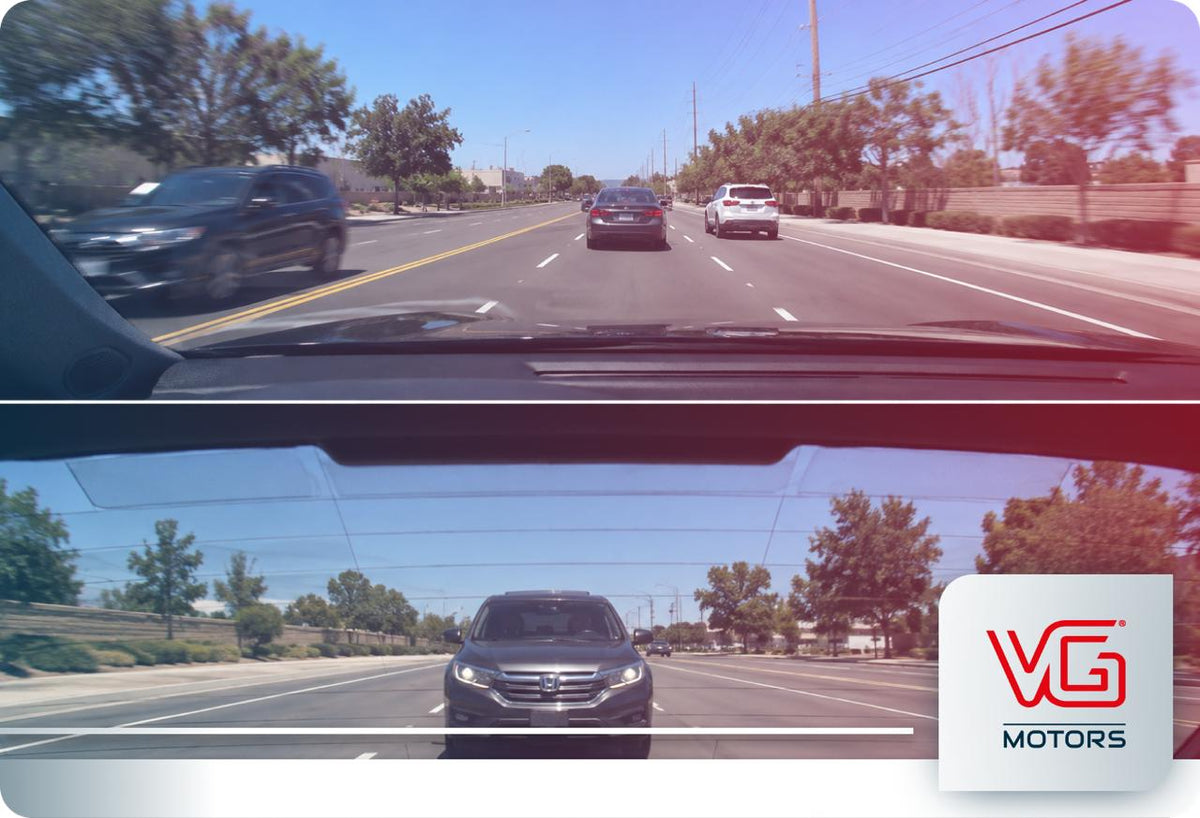
The decision isn't one camera vs. more cameras. It's one perspective vs. two perspectives.
What matters is whether that second perspective helps document situations you actually care about.
When Is Front-Only Enough, and When Does a Rear Camera Make Sense?
A front-only dash cam can make sense when your primary goal is documenting the road ahead, including traffic, intersections and incidents occurring within the forward field of view.
A front-and-rear setup adds another perspective that may provide useful context for rear-end collisions and events behind the vehicle.
Neither setup captures everything.
The right choice depends on the record you want, not simply on choosing the configuration with more cameras.
What Does a Front-Only Dash Cam Actually Cover?
A front-facing dash cam records the area ahead of the vehicle within its field of view.
For many drivers, that is the environment they care most about documenting.
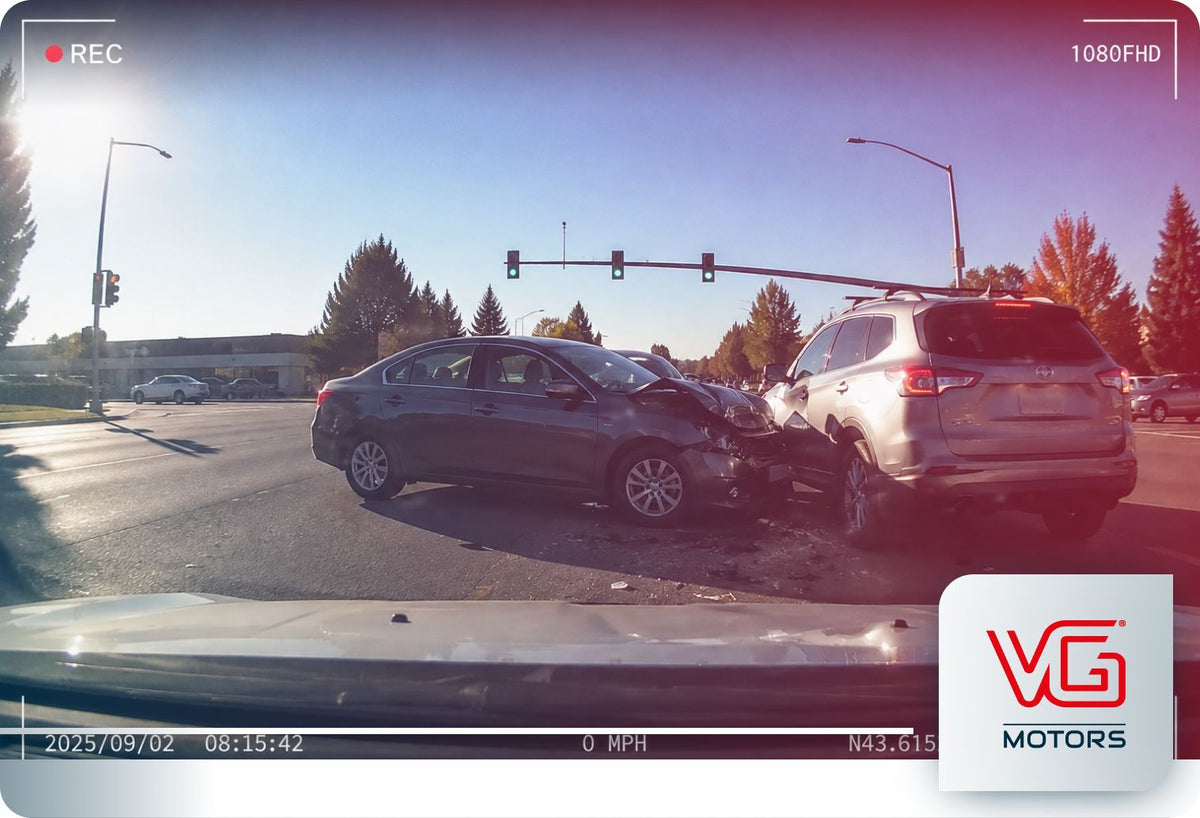
Consider a vehicle approaching an intersection in Los Angeles.
Another driver enters unexpectedly and a collision follows.
If the event occurs within the camera's view, the front-facing recording may show useful context about what happened immediately before the impact.
For someone whose main objective is creating a visual record of the road ahead, front-only may already address the core need.
That is an important point.
Buying a dash cam doesn't automatically mean moving toward the maximum possible camera count.
A simpler setup can still be the right setup when it covers what the owner actually wants recorded.

What Does Adding a Rear Dash Cam Change?
A rear camera gives the system another visual perspective.
Instead of documenting only what happens ahead, a front-and-rear setup can also create footage of events occurring behind the vehicle within the rear camera's field of view.
A rear-end collision is the clearest example.
The front camera may show what your vehicle and the traffic ahead were doing immediately before the impact.
The rear camera may provide additional context about the vehicle approaching from behind.
That doesn't mean the footage automatically determines fault.
It means you potentially have another visual perspective of the event.
A second camera doesn't make the first recording better. It gives you another point of view.
That is the real difference between one-channel and two-channel coverage.
Coverage Is About Perspective, Not Complete Visibility
Adding a rear camera expands coverage. It does not make the entire vehicle observable.
A front camera records within its forward field of view.
A rear camera adds another defined field of view behind the vehicle.
Events can still happen outside both.
Camera position, vehicle pillars, distance, obstructions, lighting, movement and the surrounding environment can all affect what appears in footage.
A second camera also doesn't guarantee that every license plate or detail will be identifiable under every condition.
So front-and-rear systems should not be described as complete “360-degree protection.”
More cameras expand coverage. They do not eliminate blind areas.
That is not a weakness unique to dash cams.
It is simply the difference between broader coverage and complete visibility.
Does Front-and-Rear Coverage Matter More While Parked?
It can.
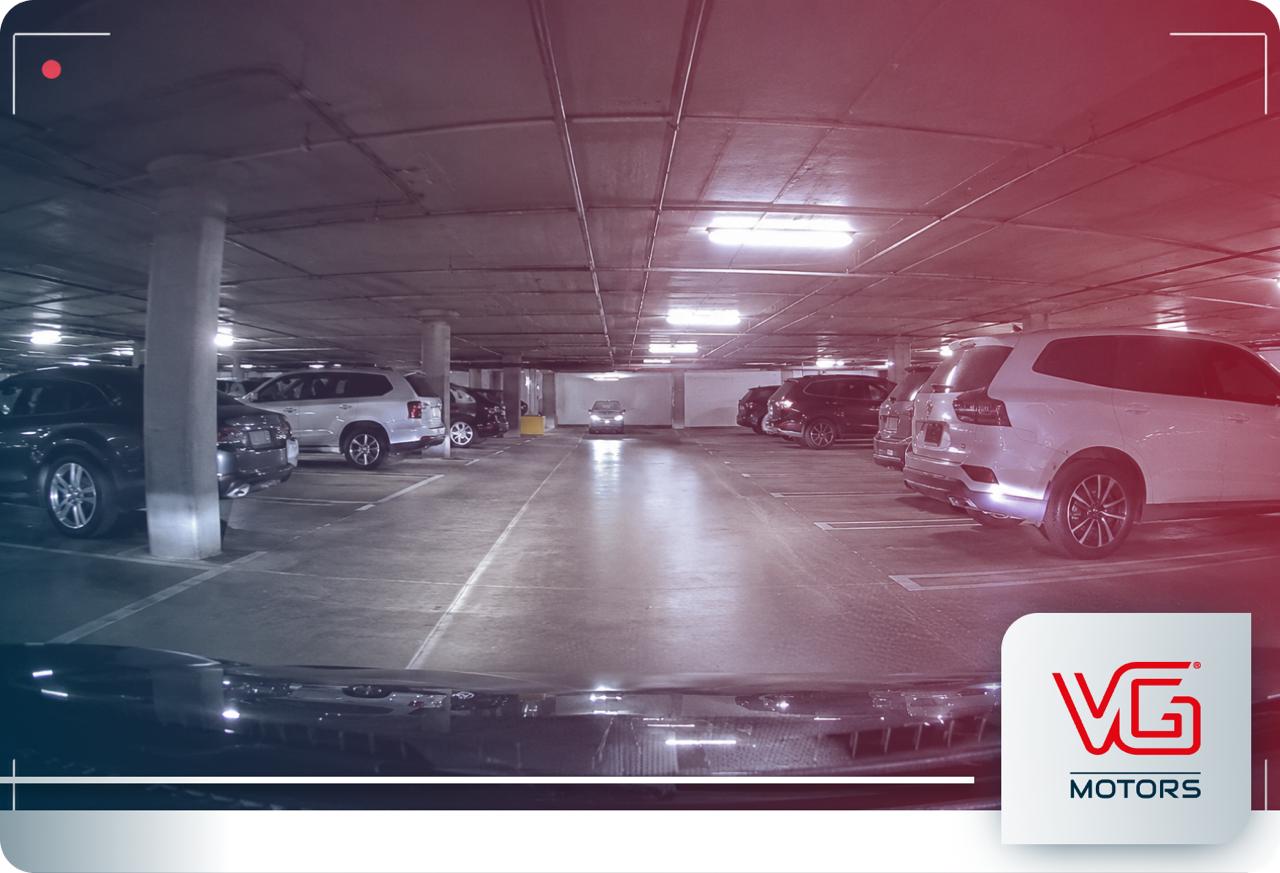
When a vehicle is parked and unattended, relevant events may happen in more than one direction.
Adding a rear camera provides another possible viewing angle if the dash cam is appropriately powered and operating in Parking Mode.
But two cameras still don't provide complete surrounding coverage.
And whether Parking Mode records a useful event also depends on factors beyond camera count.
For this comparison, the takeaway is simpler:
Drivers who place greater value on parked-vehicle documentation may also place greater value on having a second perspective.
Sometimes a Second Camera Shows More of the Same Incident
A rear camera isn't valuable only when an incident happens entirely behind you. Sometimes both cameras add context to the same sequence.
Traffic slows suddenly.
The front camera records the conditions ahead.
Then another vehicle strikes yours from behind.
The rear camera may show what was happening behind you as that sequence unfolded.
Sometimes the value of a second camera isn't seeing a different incident. It's seeing more of the same incident.
One Incident, Two Perspectives
Front camera → what was happening ahead.
Rear camera → what was happening behind.
Together, they may provide broader context for the same event.
When Does Front-Only Make Sense?
Front-only may be a good fit when your primary goal is documenting the road ahead, you prefer a simpler camera setup and rear-facing footage isn't especially important to your use case.
It should not be treated as an incomplete solution simply because two-camera systems exist.
If one perspective covers what you actually want documented, it may be exactly the right configuration.
When Does Front-and-Rear Make Sense?
Front-and-rear becomes more compelling when events behind the vehicle matter to your reason for installing a dash cam.
That can include rear-end incidents, a desire for broader context during driving, or greater interest in having another possible viewing direction while parked.
The additional camera should solve a need—not simply satisfy the idea that “more” must be better.
Front-Only vs. Front-and-Rear: A Practical Comparison
 The table doesn't decide which configuration is better.
It clarifies what actually changes when the second camera is added.
Which Setup Should You Choose?
Three questions usually get you closer to the answer than a long specification comparison.
What events do I most want documented?
If your answer is primarily what happens on the road ahead, front-only may be sufficient.
If what happens behind the vehicle matters too, the rear camera becomes more valuable.
How much does additional context matter to me?
A second camera can add another perspective to the same event, not just record different incidents.
If that extra context would matter to you, two-channel coverage becomes easier to justify.
Do I expect to use Parking Mode?
If parked recording is important, another viewing direction may have additional value.
Parking Mode itself, however, should be evaluated separately based on camera capabilities, power and configuration.
By the time you've answered those three questions, the choice is usually much clearer.
Two BlackVue Configurations Available from VG Motors
VG Motors currently offers BlackVue systems representing both sides of this coverage decision.
BlackVue DR590X-1CH Plus — Front-Only
The BlackVue DR590X-1CH Plus available from VG Motors is a front-only Full HD dash cam:
https://www.vgmotorsdirect.com/products/simple-wifi-dashcam-blackvue-dr590x-1ch-plus-64-gb
It fits drivers whose primary goal is straightforward documentation of the road ahead without adding a second camera.
BlackVue DR970X-2CH Plus II — Front-and-Rear
The BlackVue DR970X-2CH Plus II available from VG Motors combines 4K front recording with Full HD rear recording:
https://www.vgmotorsdirect.com/products/4k-dashcam-blackvue-dr970x-2ch-plus-ii-64gb
It fits drivers who place greater value on having both forward and rearward perspectives.
The useful comparison isn't basic vs. premium.
It's one perspective vs. two perspectives.
Other features may matter when choosing a specific camera, but they shouldn't obscure the coverage decision this article is designed to solve.
FAQ - Front-Only vs. Front-and-Rear Dash Cam: Which Setup Do You Actually Need?
Is a front dash cam enough?
It can be. If your primary goal is documenting the road ahead, a front-only camera may provide the coverage you actually need. Its main limitation is that incidents outside its forward field of view may not be recorded.
Is a front-and-rear dash cam worth it?
It can be for drivers who value additional context behind the vehicle, particularly for rear-end incidents or broader parked-vehicle documentation. The second camera is most useful when that additional perspective matters to you.
Does a rear dash cam record behind the car?
Yes. A properly installed rear-facing camera records within its rearward field of view. The exact area and level of visible detail depend on camera placement, specifications and environmental conditions.
Will a front dash cam record a rear-end collision?
It may record useful context, such as what was happening ahead before the impact, but it generally won't provide the same rear-facing view of the approaching vehicle that a rear camera can provide.
Does a front-and-rear dash cam provide 360-degree coverage?
No. Front-and-rear cameras expand visual coverage but still leave areas outside their fields of view. They should not be treated as complete 360-degree surveillance.
Do I need front-and-rear cameras for Parking Mode?
Not necessarily. Compatible front-only cameras can support Parking Mode as well. A rear camera adds another visual perspective, while Parking Mode itself depends on camera capabilities, power and configuration.
The Right Number of Cameras Depends on the Record You Want
There isn't a universally correct number of dash cameras for every driver.
Front-only can provide exactly what someone needs: a visual record of the road ahead.
Front-and-rear adds another perspective—and that additional context may matter when something happens behind the vehicle or when broader parked coverage is important.
The decision shouldn't begin with “Which setup gives me the most?”
It should begin with:
“What would I wish I had recorded if something happened?”
If the answer is primarily what's ahead, one perspective may be enough.
If the answer includes what's happening behind you, a second perspective may be worth having.
More cameras aren't automatically better. They're valuable when the additional perspective matters.


Leave a comment
This site is protected by hCaptcha and the hCaptcha Privacy Policy and Terms of Service apply.