
Most drivers assume vehicle tracking and vehicle recovery are basically the same thing.
Operationally, they are not.
A vehicle appearing on a map does not automatically mean:
- recovery becomes easy;
- authorities instantly locate it;
- or the vehicle is safely returned.
Modern vehicle recovery depends on multiple layers working together:
- visibility;
- communication;
- timing;
- coordination;
- recovery workflows.
And in modern theft situations, those layers matter enormously.
According to discussions referenced by the National Insurance Crime Bureau (NICB), organized theft groups increasingly prioritize:
- rapid relocation;
- electronic theft methods;
- temporary holding areas;
- fast interstate movement.
Which means recovery systems increasingly evolved beyond:
simple tracking visibility.
Modern LoJack recovery technology combines:
- encrypted GPS infrastructure;
- connected monitoring;
- hidden hardware;
- app-based visibility;
- recovery-oriented workflows.
Because modern vehicle recovery is not built around:
“seeing where the vehicle is.”
It is built around:
Helping support recovery after theft occurs.
Quick Answer: How Does LoJack Vehicle Recovery Work?
Modern LoJack systems help support stolen vehicle recovery through:
- connected GPS tracking;
- hidden recovery hardware;
- app-based monitoring;
- recovery activation workflows;
- coordination with law enforcement.
The system is designed to reduce delays between:
Vehicle theft and active recovery response.
Recovery Workflow Timeline

How the Recovery Workflow Begins
The recovery workflow typically starts after the vehicle owner confirms the theft and activates the recovery process.
Operationally, this creates a transition from:
Vehicle monitoring to active recovery coordination.
For many drivers, this is also the moment the situation becomes real.
The confusion disappears.
Urgency takes over.
Modern recovery workflows are increasingly structured around reducing response delays during those early stages.
Because modern theft operations often prioritize rapid movement immediately after theft occurs.
Why Fast Recovery Activation Matters
Modern recovery systems increasingly focus on minimizing the time between:
- theft confirmation;
- tracking visibility;
- recovery coordination;
- law enforcement response.
Because delays create operational advantages for theft groups.
According to theft trend discussions referenced by the NICB, stolen vehicles are increasingly relocated quickly after theft, especially in operations involving:
- parking structures;
- temporary holding lots;
- underground garages;
- shipping containers;
- interstate transportation.
That is one reason connected recovery systems evolved far beyond older passive tracking approaches.
Recovery Activation Checklist
✅ Confirm vehicle theft
✅ Activate recovery platform
✅ Access tracking visibility
✅ Save tracking screenshots and timestamps
✅ Share recovery information with authorities
✅ Avoid direct personal recovery attempts
How LoJack Tracking Technology Works
Modern recovery platforms rely on multiple connected technologies working together simultaneously.
Most drivers imagine GPS tracking as something simple:
A moving dot on a smartphone map.
But operationally, recovery systems are much more layered than that.
Modern LoJack systems increasingly combine:
- encrypted GPS positioning;
- connected cellular communication;
- app-based visibility;
- hidden onboard hardware;
- recovery-oriented monitoring workflows.
That layered architecture exists because modern theft situations are unpredictable.
And recovery systems need to function inside rapidly changing environments.
GPS Tracking and Connected Monitoring
GPS infrastructure allows the system to help determine vehicle positioning and movement visibility.
Connected monitoring platforms then help translate that positioning into:
- app visibility;
- movement updates;
- location tracking;
- recovery coordination workflows.
This is one reason modern recovery systems feel dramatically different from older RF-only architectures.
Today’s systems operate inside a much more connected vehicle ecosystem.
Why Hidden Hardware Matters
Hidden installation architecture remains extremely important in modern vehicle recovery.
Many standard consumer GPS trackers are:
- temporarily mounted;
- visibly installed;
- dependent on exposed hardware locations.
Recovery-oriented systems increasingly use concealed installation approaches designed to reduce discoverability during theft situations.
And that operational detail matters.
Because some organized theft groups immediately search common tracker locations after stealing a vehicle.
What Happened to RF Recovery Technology?
Many people still associate LoJack with older RF-based recovery systems from the 1990s and early 2000s.
Some drivers still picture old TV news segments showing police helicopters tracking stolen cars through radio signals.
That cultural memory remains surprisingly strong online.
The original LoJack system became famous for using VHF radio technology during stolen vehicle recovery operations.
But as:
- connected cars expanded;
- GPS infrastructure improved;
- smartphones became central to vehicle monitoring;
- app-based visibility became normal;
Vehicle recovery systems gradually evolved toward connected GPS-based architectures.
That transition was not simply about replacing old technology.
It reflected how the entire automotive ecosystem changed over time.

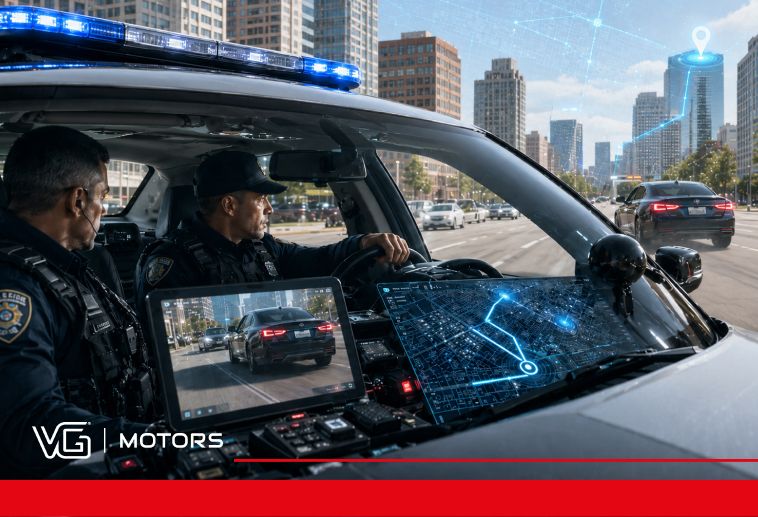
How Recovery Teams and Law Enforcement Work Together
Modern vehicle recovery is rarely handled through tracking alone.
Recovery workflows increasingly depend on coordination between:
- connected recovery systems;
- monitoring platforms;
- law enforcement response;
- real-time visibility updates.
This is one reason recovery-oriented systems differ significantly from:
- consumer tracking devices;
- Bluetooth item trackers;
- simple GPS visibility tools.
Because operational recovery depends on:
- timing;
- coordination;
- information sharing;
- response efficiency.
Not only visibility.
Why Stolen Vehicle Recovery Requires Speed
Modern vehicle theft increasingly operates with logistical sophistication.
According to NICB theft trend discussions, organized theft operations often relocate vehicles rapidly after theft occurs.
Some vehicles may move through:
- apartment garages;
- temporary holding areas;
- shipping facilities;
- dismantling operations;
- interstate transportation routes.
Which means delays can significantly reduce recovery probability.
That operational reality is one reason modern recovery platforms increasingly prioritize:
- rapid activation;
- connected monitoring;
- faster visibility;
- recovery coordination workflows.
Because once a vehicle disappears into organized theft channels, retrieval becomes much more difficult.

How LoJack Differs From Standard GPS Trackers
This is one of the most important distinctions in modern vehicle protection.
Most standard GPS trackers are primarily designed around:
- location visibility;
- route history;
- fleet monitoring;
- app-based tracking.
Recovery-oriented systems are structured much more heavily around:
- post-theft workflows;
- recovery coordination;
- reducing response delays;
- supporting retrieval operations.
That distinction matters because:
Tracking visibility and vehicle recovery are not operationally identical.
GPS Tracker vs LoJack Comparison

Common Vehicle Theft Scenarios
Modern theft situations rarely begin dramatically.
Most happen during completely ordinary moments.
Vehicles are often stolen from:
- apartment complexes;
- airport parking garages;
- hotel valet areas;
- shopping center parking lots;
- suburban driveways.
Someone leaves the vehicle briefly.
Runs inside for coffee.
Stops for a quick errand.
Assumes the area feels safe.
Then returns… and the vehicle is gone.
That realism matters because modern vehicle theft increasingly happens during:
routine moments
inside
normal environments.
Not cinematic ones.
Why Modern Recovery Systems Evolved
Vehicle theft changed dramatically over the last two decades.
Connected cars changed.
Tracking technology changed.
Criminal operations changed.
And recovery systems evolved alongside all of it.
Modern recovery platforms are no longer designed simply around:
tracking visibility.
They are increasingly structured around:
- connected monitoring;
- operational coordination;
- response timing;
- recovery support workflows.
Because modern recovery depends on much more than:
knowing where the vehicle was last seen.
How LoJack Vehicle Recovery Works — FAQ
Does LoJack work if thieves disable GPS?
Signal interference and sophisticated theft methods may affect tracking visibility in some situations, which is why layered recovery workflows matter.
Can LoJack track vehicles underground?
Underground garages, parking structures, and heavily shielded environments may temporarily affect signal visibility and connected tracking updates.
How fast can stolen vehicles be recovered?
Recovery timing depends heavily on reporting speed, signal conditions, vehicle movement, and theft circumstances. Modern systems commonly reference average recovery times around 26 minutes.
Does LoJack work nationwide?
Modern GPS-connected systems generally support broader geographic coverage across cities and state lines.
Is LoJack just a GPS tracker?
Not exactly. Recovery-oriented systems are specifically designed around post-theft workflows and stolen vehicle recovery coordination.
Why do hidden recovery systems matter?
Concealed installation approaches may reduce discoverability during theft situations compared to visible consumer tracking devices.
Why is recovery speed so important?
Modern theft groups often relocate vehicles rapidly after theft occurs, which means delays can significantly reduce recovery opportunities.



Leave a comment
This site is protected by hCaptcha and the hCaptcha Privacy Policy and Terms of Service apply.