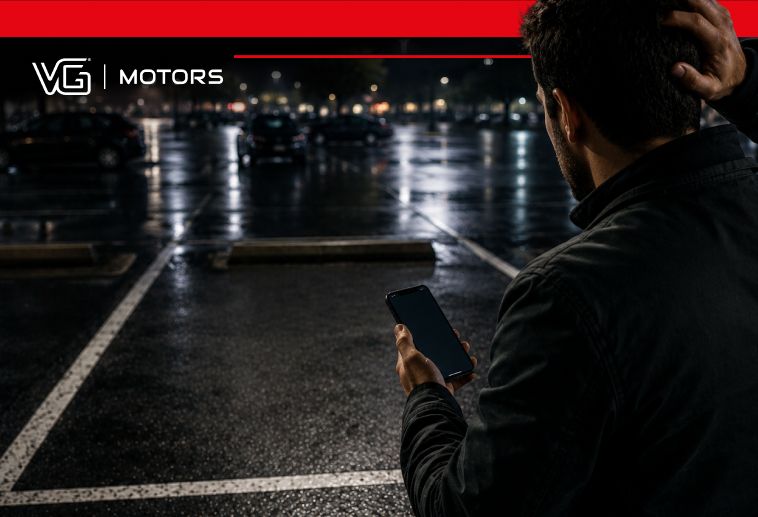
The first minutes after vehicle theft usually feel surreal.
Most drivers go through the same sequence:
Confusion first.
Then panic.
People immediately start asking themselves:
- Did I park somewhere else?
- Was the car towed?
- Did someone borrow it?
- Is this actually happening?
Some drivers spend 15 or 20 minutes walking the same parking lot in disbelief before finally calling police.
And meanwhile, time keeps moving.
According to discussions referenced by the National Insurance Crime Bureau (NICB), organized vehicle theft operations increasingly prioritize:
- rapid relocation;
- interstate movement;
- temporary cooling lots;
- electronic theft methods.
Which means the first hours after theft matter enormously.
Because modern vehicle recovery is often a race against movement.
Especially in environments like:
- apartment complexes;
- airport garages;
- downtown parking structures;
- hotel valet areas;
- suburban driveways;
- shopping center parking lots.
Quick Answer: What Should You Do Immediately After Car Theft?
If your vehicle was stolen:
- confirm the vehicle was not towed or relocated;
- contact police immediately;
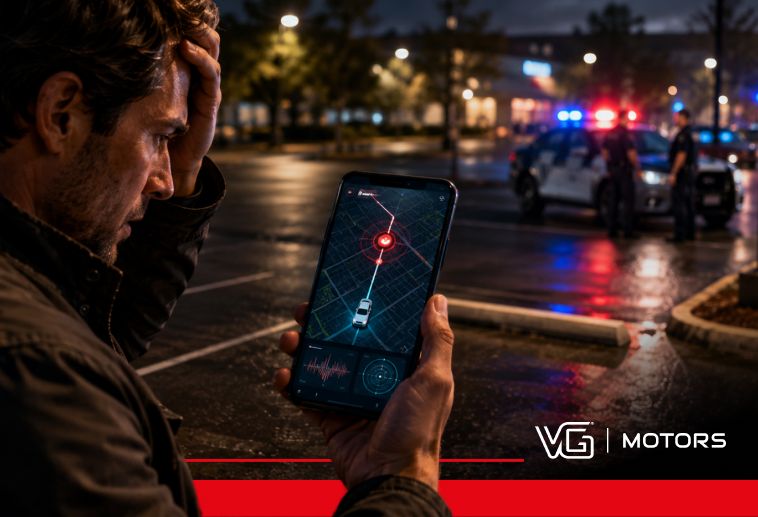
- activate your recovery or tracking system;
- save screenshots and tracking information;
- notify your insurance company;
- avoid trying to recover the vehicle yourself.
The faster the recovery process begins, the better the chances of improving recovery outcomes.
Emergency Checklist After Vehicle Theft
✅ Confirm the vehicle was not towed
✅ Call police immediately
✅ Activate tracking or recovery systems
✅ Save screenshots and location data
✅ Gather VIN and plate information
✅ Contact insurance provider
✅ Avoid personal recovery attempts

Confirm the Vehicle Was Actually Stolen
This sounds obvious.
But in real situations, confusion is extremely common.
Before assuming theft, quickly rule out:
- towing;
- valet relocation;
- family use;
- parking mistakes;
- apartment garage confusion.
Especially in:
- airport parking garages;
- large shopping centers;
- downtown parking decks;
- hotel valet areas.
Panic makes people second-guess themselves.
And that emotional delay matters more than most drivers realize.
Because according to theft trend discussions referenced by the NICB, stolen vehicles are increasingly moved quickly after theft occurs, especially in organized operations involving temporary holding areas and interstate relocation.
Call the Police Immediately
Once theft is confirmed, contacting law enforcement should happen immediately.
The earlier police receive accurate information, the better the chances of improving recovery response timing.
If possible, take 30 seconds to gather the following before calling:
- vehicle make and model;
- license plate number;
- VIN;
- last known location;
- approximate theft timeframe;
- tracking information if available.
Many drivers realize too late they do not know their VIN from memory.
Which is why keeping:
- registration photos;
- insurance cards;
- license plate images;
- digital vehicle records;
Easily accessible becomes incredibly valuable during emergencies.
Why Fast Reporting Matters
Modern vehicle theft rarely looks like old “joyriding” situations anymore.
According to NICB theft trend discussions, organized theft groups increasingly move vehicles within hours after theft, especially in operations involving:
- cooling lots;
- dismantling facilities;
- rapid relocation;
- export pipelines.
Which means delays become expensive very quickly.
In some cases, stolen vehicles may move across:
- neighborhoods;
- cities;
- counties;
- state lines
Before owners even finish filing insurance paperwork.

Activate Your Vehicle Recovery System
If the vehicle uses:
- LoJack;
- GPS-connected monitoring;
- app-based recovery technology;
- connected tracking systems;
Activation should happen immediately after confirming the theft.
Modern recovery platforms increasingly combine encrypted GPS tracking with app-connected monitoring and theft-response workflows designed specifically for post-theft situations.
Because reducing the gap between:
Theft discovery and active response, became one of the most important factors in modern vehicle recovery.
Why Recovery Speed Matters
Many drivers assume:
“If I can see the car later, everything is fine.”
But modern theft situations move much faster than most people expect.
Some organized theft groups intentionally relocate vehicles quickly to:
- underground garages;
- parking structures;
- temporary holding areas;
- shipping containers.
Which means early tracking visibility can matter enormously.
This is one reason recovery-focused systems differ from simple GPS trackers.
Tracking shows location.
Recovery systems are designed around helping improve response timing after theft occurs.
Save Screenshots and Tracking Information
This is one step many drivers forget during panic.
If tracking information is available:
- save screenshots;
- document timestamps;
- preserve movement history;
- keep app notifications.
That information may help:
- law enforcement;
- insurance processing;
- recovery coordination.
Especially if vehicle movement changes rapidly during the recovery process.
Notify Your Insurance Company
After police reporting and recovery activation, drivers should contact their insurance provider as quickly as possible.
Most insurers will request:
- police report details;
- theft timeline;
- vehicle information;
- recovery updates if available.
And this is where many people suddenly realize how disruptive vehicle theft actually becomes.
Many drivers find themselves juggling rental logistics, insurance paperwork, transportation problems, changing recovery updates, and missed work all at once.
The emotional side of theft is rarely discussed enough.
But it matters enormously.

Common Mistakes Drivers Make After Vehicle Theft
Some mistakes happen repeatedly after vehicle theft situations.
And unfortunately, delays often reduce recovery chances.
Common mistakes include:
- waiting too long to report the theft;
- assuming the vehicle will “turn up” later;
- forgetting to save tracking screenshots;
- delaying insurance notification;
- trying to recover the vehicle personally;
- ignoring recovery app alerts.
Modern theft situations move fast.
Which means organized response matters more than panic.
Avoid Trying to Recover the Vehicle Yourself
This is extremely important.
Drivers should never attempt direct recovery personally.
Even if:
- tracking information appears accurate;
- the vehicle looks nearby;
- the car appears stationary.
Modern vehicle theft can involve:
- organized criminal operations;
- unpredictable situations;
- rapidly changing environments.
Law enforcement should handle direct recovery operations whenever possible.
This is not only safer.
It’s also operationally smarter.
Because recovery situations can escalate unpredictably.
What Drivers Should Prepare Before Theft Ever Happens
Most people only think about recovery after theft occurs. But preparation beforehand can dramatically improve response timing.
Helpful preparation steps include:
- storing VIN photos digitally;
- saving registration documents;
- activating recovery apps;
- photographing license plates;
- verifying tracking systems are active;
- keeping insurance information accessible.
This may seem small, until a real theft situation happens at:
- 2 a.m. in an apartment complex;
- an airport garage during travel;
- or a hotel parking structure far from home.
Then those details suddenly matter a lot.
Why the First Hours Matter Most
The first hours after theft often determine:
- recovery timing;
- vehicle condition;
- disruption level;
- recovery probability.
Because modern theft increasingly operates with speed and coordination.
According to discussions referenced by the National Highway Traffic Safety Administration (NHTSA), organized theft activity increasingly involves:
- rapid relocation;
- electronic theft methods;
- sophisticated logistics;
- coordinated movement.
That’s why immediate action matters so much.
Not because panic helps.
But because delays help thieves.
What Most Drivers Realize Too Late
Most people spend years thinking about:
- locking doors;
- parking safely;
- protecting key fobs;
- avoiding theft.
Very few seriously think about:
“What happens after the vehicle is already gone?”
But that’s exactly when:
- response timing;
- connected recovery systems;
- police coordination;
- theft-response workflows
Suddenly become very real.
Because after theft happens, drivers stop thinking about technology.
They start thinking about one thing:
How fast life can return to normal.
Suggested Internal Links
-
How Modern Vehicle Theft Changed
-
LoJack Still Exists? Understand What Changed
-
How Fast Can LoJack Recover a Car?
-
How Police Track Stolen Cars
What to Do Immediately After Your Car Is Stolen — FAQ
What should I do first after car theft?
First, confirm the vehicle was not towed, relocated, or borrowed. Then contact police immediately and begin the recovery process.
Can stolen vehicles still be recovered quickly?
Yes. Fast reporting and immediate recovery activation can significantly improve recovery timing and recovery outcomes.
Should I track a stolen vehicle myself?
No. Drivers should avoid personal recovery attempts and allow law enforcement to handle direct recovery operations.
What information helps police recover a stolen vehicle?
Helpful information includes:
- VIN;
- plate number;
- last known location;
- tracking screenshots;
- theft timeframe.
What happens after reporting a stolen vehicle?
Police begin the theft report process while recovery systems and insurance workflows may also begin simultaneously.
Can stolen vehicles be moved quickly after theft?
Yes. Organized theft operations often relocate vehicles rapidly after theft occurs, sometimes across multiple cities or states.
Does insurance cover stolen vehicles immediately?
Insurance processes vary depending on provider, policy structure, investigation timing, and recovery status.



Leave a comment
This site is protected by hCaptcha and the hCaptcha Privacy Policy and Terms of Service apply.