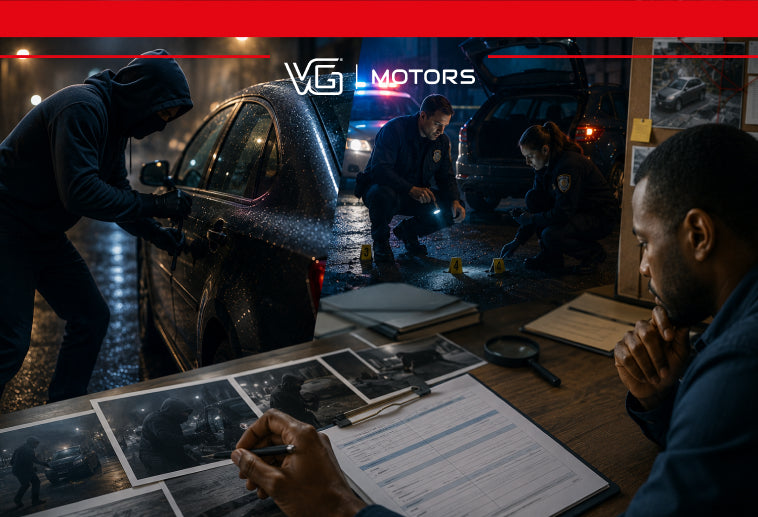
After a vehicle theft is reported, the insurance company investigates the claim by gathering information, reviewing your policy, verifying the circumstances of the theft and, if the vehicle is recovered, evaluating its condition.
The goal is to determine how the claim should be handled under the terms of your coverage.
Reporting your vehicle stolen is only the beginning of the insurance claim process.
Once your insurer receives the claim, it begins an investigation to understand what happened and determine how the claim should proceed.
For many vehicle owners, the word “investigation” sounds intimidating.
In reality, it’s a routine part of handling theft claims.
The insurer isn’t just looking at the theft itself. It’s collecting the information needed to make a fair and informed claim decision.
Why Do Insurance Companies Investigate Theft Claims?
Every insurance claim requires supporting information.
In a vehicle theft case, the insurer needs to verify the circumstances of the loss, review your coverage and determine what steps should follow.
This process also helps coordinate information received from law enforcement, repair facilities and, when applicable, vehicle recovery providers.
For example, if a vehicle is stolen in Atlanta, Georgia, and later recovered near Birmingham, Alabama, the insurer may receive updated information as the investigation progresses.
What Information Is Usually Reviewed?
Although every insurer has its own procedures, theft investigations commonly include several key elements.
Your Insurance Policy
The insurer reviews your policy to confirm:
- the coverage in effect at the time of the theft;
- deductibles that may apply;
- vehicle information;
- financing or lienholder details, if applicable.
This helps establish how the claim should be handled under your policy.
The Police Report
The police report is one of the primary documents used during a theft claim.
It generally includes information such as:
- when the theft occurred;
- where it happened;
- the vehicle description;
- identifying information provided by the owner.
If additional information becomes available during the police investigation, it may also become relevant to the insurance claim.
Information From the Vehicle Owner
Your insurer may ask questions to better understand the circumstances surrounding the theft.
For example:
- When was the vehicle last seen?
- Who normally drives it?
- Were all keys accounted for?
- Was any personal property inside the vehicle?
- Has the vehicle been recovered?
Providing accurate and consistent information helps the claim move forward efficiently.

What Happens If the Vehicle Is Recovered?
Recovery doesn’t end the investigation. Instead, it provides new information.
Once the vehicle is found, the insurer may review:
- inspection reports;
- photographs of the vehicle;
- repair estimates;
- documentation of missing parts;
- mechanical or structural damage.
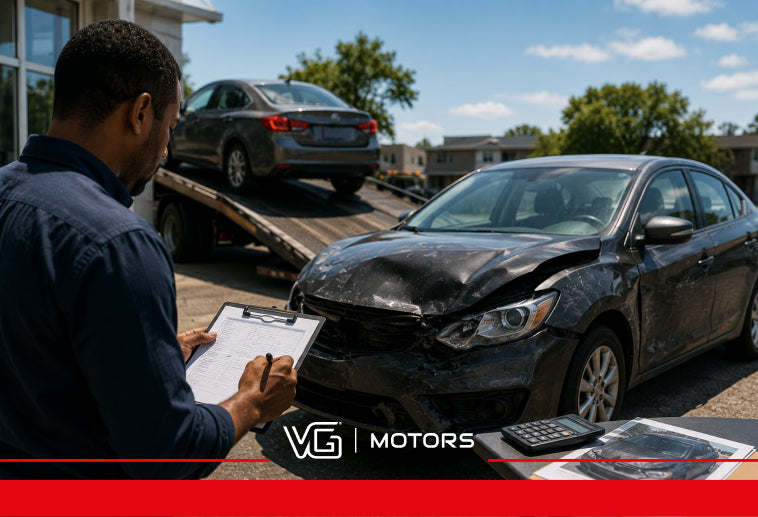
For example, a vehicle recovered in Las Vegas, Nevada, after being stolen in Phoenix, Arizona, may require a detailed inspection before the insurer determines whether repairs are appropriate or whether additional evaluation is needed.
How Long Does an Insurance Investigation Take?
There isn’t a single timeline.
Some theft claims move quickly because all necessary information is available early in the process.
Others take longer if:
- the vehicle has not yet been recovered;
- additional documentation is required;
- inspections are still pending;
- multiple parties are involved.
State regulations and insurer procedures may also influence the timeline.
For instance, a claim in California may follow different procedural requirements than one in Florida or Texas.
What Can You Do While the Investigation Is Ongoing?
Although much of the process is handled by the insurer, there are several ways you can help keep the claim moving.
- Report the theft promptly.
- Keep copies of claim-related documents.
- Respond quickly to requests for information.
- Maintain communication with your insurance adjuster.
- Notify the insurer if you receive updates from law enforcement.
Being responsive helps reduce avoidable delays.

Bottom Line
A stolen vehicle insurance investigation is designed to gather facts—not to create unnecessary obstacles.
Whether your vehicle remains missing in Chicago, Illinois, is recovered in San Diego, California, or is found with damage near Orlando, Florida, the insurer needs reliable information before deciding how the claim will be resolved.
By understanding what information is reviewed and responding promptly to requests, you can help the process move forward more efficiently while knowing what to expect at each stage.
FAQ - What Happens During a Stolen Vehicle Insurance Investigation?
Does every stolen vehicle claim involve an investigation?
Yes. Insurance companies routinely investigate theft claims to verify the circumstances, review coverage and determine how the claim should proceed.
Does an investigation mean the insurance company suspects fraud?
Not necessarily. Investigating a claim is a standard part of the claims process and helps insurers gather the information needed to make a coverage decision.
What documents will I usually need?
Requirements vary, but insurers commonly request the police report, vehicle information, policy details and any additional documentation related to the theft.
What happens if my vehicle is recovered during the investigation?
The investigation typically continues. The insurer will usually review the vehicle’s condition, inspection reports and repair estimates before determining the next steps.
Can I help speed up the investigation?
Yes. Reporting the theft promptly, providing accurate information, responding quickly to requests and staying in contact with your insurance company can help avoid unnecessary delays.



Leave a comment
This site is protected by hCaptcha and the hCaptcha Privacy Policy and Terms of Service apply.